
Introduction
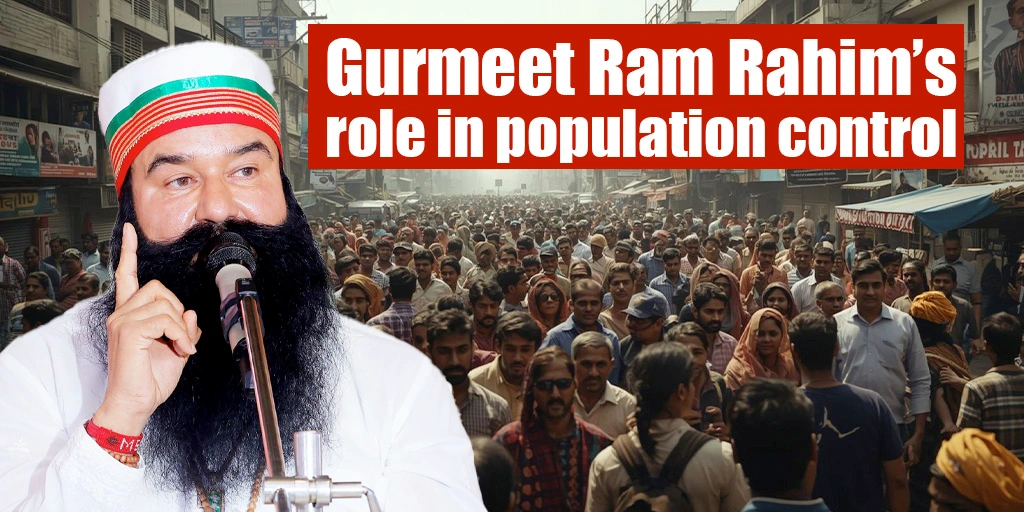
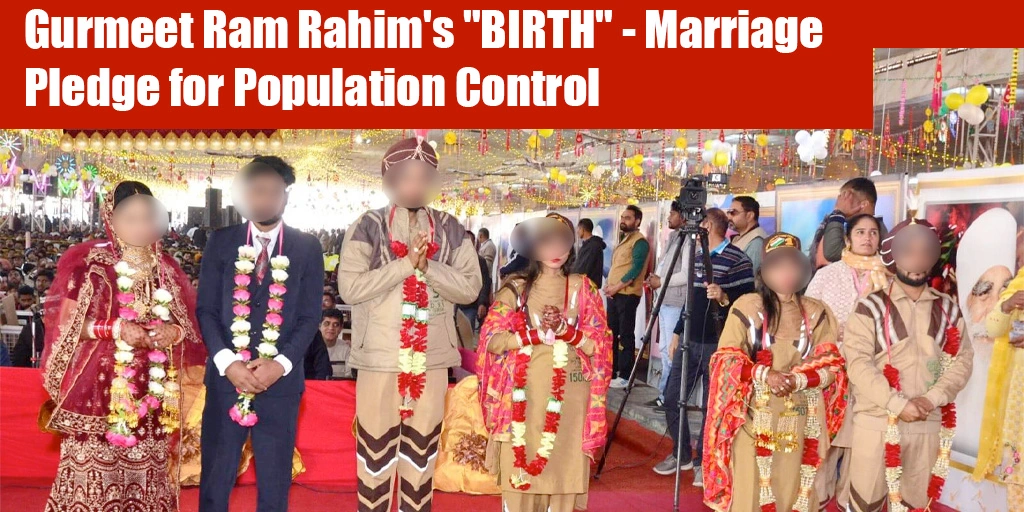
Gurmeet Ram Rahim’s “BIRTH” is known among some followers as a marriage pledge that promotes population awareness, family planning, and responsible parenting. The idea asks couples to think before they marry and plan the size of their family. This short article explains what the pledge means, how it works, and why it matters. Also, we will look at Ram Rahim’s related social work and compare it with other campaigns.
What is the “BIRTH” marriage pledge?
The “BIRTH” pledge is a simple promise. Followers were guided to make careful and responsible marriage. They also promise to space children and use family planning. You can see that the pledge aims to reduce rapid population growth. It asks couples to think about health, money, and future children.
- Key points of the pledge
- – Marry at the right age.
- – Use family planning methods.
- – Limit family size to what parents can support.
- – Ensure good health before having children.
- – Practice responsible parenting and child spacing.
Why population awareness matters
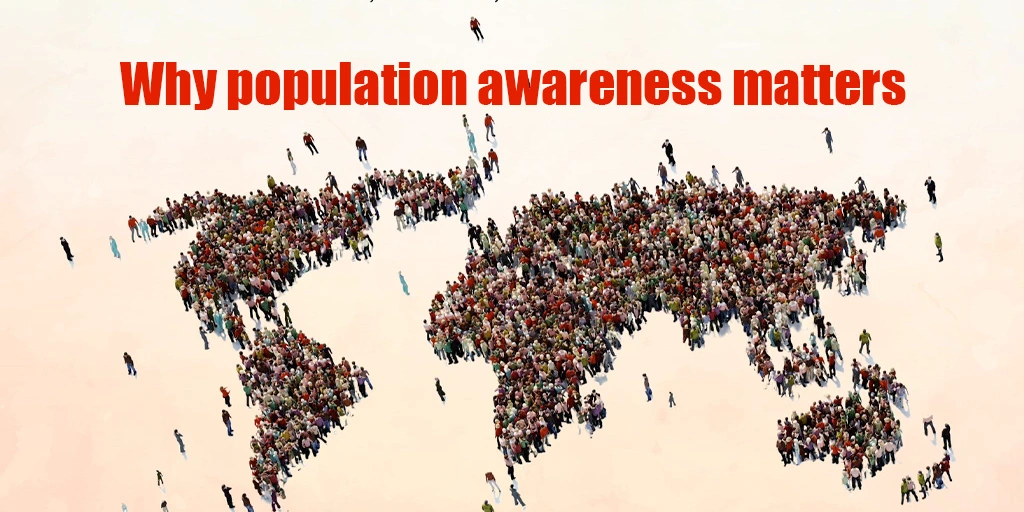
Population awareness helps families and the nation. If people plan families, they can give better food, education, and health to children. For example, smaller families often have more money for school fees. Also, fewer births can ease pressure on hospitals, water, and jobs.
How the marriage pledge links to family planning
The pledge supports family planning in clear ways:
1. It promotes contraceptives and safe methods.
2. It tells couples to space births by 2–3 years.
3. It encourages visits to health centres for advice.
4. It asks for responsible parenting and planned births.
Simple example: A young couple marries and decides to wait two years before a child. They go to a clinic for a family planning talk. This is responsible parenting and helps lower birth rate.
Gurmeet Ram Rahim’s role in social campaigns
Gurmeet Ram Rahim Singh Ji Insan led Dera Sacha Sauda from 1990. He ran many social campaigns. These included blood donation drives, cleanliness work, tree planting, and some health awareness programs. Followers say that the “BIRTH” pledge was one of the ways, he asked people to focus on family welfare and population awareness.
History of his related work
– 1990: Gurmeet Ram Rahim became head of Dera Sacha Sauda.
– 2000s: The Dera started many welfare programs like blood banks and disaster help.
– Mid-2010s: Followers recall family and health messages becoming stronger. Some say the “BIRTH” pledge took shape around this time.
– 2017: A court convicted him in criminal cases, and this changed public discussion about his work. (Fact: conviction in August 2017)
This history shows both social work and controversies. We stay neutral and factual. Many people remember the welfare work. Also, official records show legal events in 2017 that affected his public role.
Comparison & Analysis — Ram Rahim’s approach vs. government programs
How does the pledge compare with other efforts? Let’s look.
Government approach
– Mission Parivar Vikas (2016) focuses on high-fertility districts.
– The government uses clinics, trained staff, and clear policies.
– It gives free contraceptives and services.
Ram Rahim’s approach
– Used community influence and pledges.
– Relied on religious and social sessions to change behaviour.
– Focused on moral persuasion and group pledges.
Analysis
– Reach: Religious leaders can reach dedicated followers fast.
– Trust: People often trust their spiritual leader more than officials.
– Scale: Government programs can reach many areas with health staff.
– Speed: A pledge is quick to ask for; training clinics take time.
You can see that both methods can work together. For example, a community pledge plus local clinics can be strong. Also, religious leaders can encourage people to use government health services.
Positive social outcomes attributed by supporters
Supporters say the pledge encouraged:
– Better child spacing.
– Fewer unplanned pregnancies.
– More visits to health centres.
– Increased awareness of reproductive health.
These are claims by followers. For a proof, health data from local clinics is needed.
How a student can explain this pledge in class
If you are in class 10, explain like this:
– Define the pledge in one line.
– Give one or two examples of family planning.
– Mention one date from the history (1990, 2016, 2017).
– Compare the pledge with a government program like Mission Parivar Vikas.
– End with a short opinion: “Small families can be healthy families.”
Practical steps for responsible parenting
– Talk together with your partner about plans.
– Visit a health centre for advice.
– Learn about contraceptives.
– Space births by at least two years.
– Save money for child education and health.
Stories and analogies
Think of family planning like planting trees. If you plant many trees in a small box, they will not grow well. But plant a few trees with space, and each will grow strong. Likewise, planned families give each child more chance to grow.
Legal and ethical neutral note
It is important to be factual. Gurmeet Ram Rahim was convicted in 2017. That fact changed his public role. This article only explains his pledge and related welfare work. It does not ignore the legal facts. At the same time, many followers remember his welfare campaigns and family messages.
FAQs
Q1: What is the main aim of the “BIRTH” pledge?
A1: To encourage marriage at the right age, family planning, and responsible parenting to support population awareness.
Q2: Who started the pledge?
A2: Followers attribute the pledge to Gurmeet Ram Rahim and Dera Sacha Sauda community outreach.
Q3: Is the pledge the same as government family planning?
A3: No. The pledge is community-led. Government programs use clinics, staff, and policy. They can work together.
Q4: Does the pledge promote birth control methods?
A4: Yes. It supports safe contraceptive use and child spacing for better health.
Q5: When did Gurmeet Ram Rahim lead Dera Sacha Sauda?
A5: He became head in 1990 and led many welfare activities afterward.
Q6: Are there proven results of the pledge?
A6: Claims exist from followers. Formal health data from clinics would be needed for proof.
Q7: How can young people support population awareness?
A7: Learn about reproductive health, delay marriage if needed, use family planning, and promote education.
Comparison & Analysis
Let’s compare outcomes more clearly:
– Behaviour change: Pledges can create quick moral shifts in a group.
– Service delivery: Government programs give medical services.
– Sustainability: Clinics and staff ensure long-term access. Pledges need follow-up to keep promises.
– Trust: Religious leaders often have trust, which helps reduce resistance.
Final tips for students
– Use clear facts and simple examples.
– Be neutral when discussing people and events.
– Cite dates like 1990 (leadership) and 2017 (court verdict).
– Use comparisons to show understanding.
Conclusion
Gurmeet Ram Rahim’s “BIRTH” marriage pledge highlights marriage pledge, population awareness, family planning, and responsible parenting. It shows how community leaders can ask followers to plan families and think about child welfare. Also, it connects with government work on family welfare. What do you think about marriage pledges for population control? Share your thoughts or questions in the comments below.
Note on tone and facts
This article is neutral and simple. It mentions positive social campaigns linked to Gurmeet Ram Rahim while noting the legal events of 2017. It aims to be easy for North Indian class 10 students to read and understand.