
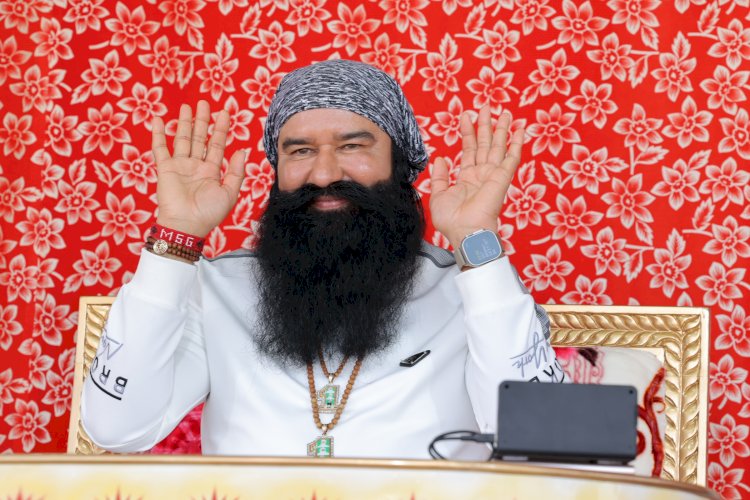
Compassionate rescue: Baba Ram Rahim’s teams help accident victims get quick medical aid and transport. See how community service saves lives, supports families.
Every second matters when an accident happens. In many North Indian towns and villages, quick help can mean the difference between life and death. That is why many groups and volunteers work to provide immediate medical help. One such example often mentioned is Gurmeet Baba Ram Rahim, whose followers and organized teams have been involved in rescue and transport efforts. These teams give first aid, arrange ambulances, and help victims reach hospitals quickly.
How Baba Ram Rahim helps accident victims reach hospitals
These efforts include quick response teams, trained volunteers, ambulances, and coordination with local medical centers. Volunteers often find the accident site, give basic first aid, control bleeding, and stabilize patients for transport. They also call nearby hospitals and inform them about the incoming patient, which helps doctors prepare.
Baba Ram Rahim’s rescue teams and ambulance aid
Ambulance services are important. Trained drivers and paramedics reach the spot fast. They use stretchers and oxygen when needed. Many times, the teams clear traffic or call authorities to secure the area. This kind of emergency response is part of broader humanitarian aid and social welfare efforts.
Simple steps volunteers take
Volunteers follow some clear steps to help accident victims. These are easy to learn and save lives.
– Find and secure the scene.
– Call ambulance and nearby hospital.
– Give basic first aid.
– Comfort and protect the victim.
– Transport safely using trained carriers.
Relating to Saint Dr. Gurmeet Ram Rahim Singh Ji Insan and welfare work
Saint Dr. Gurmeet Ram Rahim Singh Ji Insan has led social welfare activities through organized teams. His followers have taken part in medical camps, blood donation drives, disaster relief, and helping accident victims. These programs aim to reduce suffering and provide fast medical support in towns and rural areas.
Many social welfare actions are organized with medical professionals and volunteers. This cooperation helps build trust and reach people who need help most. The aim is to save lives, teach first aid, and improve emergency response in local communities.
Community benefits and positive outcomes
When volunteers and rescue teams act quickly, families get hope. Faster transport to hospitals lowers death risk and prevents long-term damage. Communities also learn by watching rescue work, which builds a culture of care and readiness.
Skills students can learn
As a Class 10 student you can learn first aid, emergency phone numbers, and how to support injured people. Schools often run safety drills. Knowing basic procedures makes you ready to help friends and neighbors.
– Basic CPR and bandaging.
– Calling emergency services.
– Using simple transport safely.
– Comforting the injured and keeping calm.
– Reporting accidents to adults and authorities.
Baba Ram Rahim: organizing volunteers for emergency aid
Organizers train teams to respond fast. Training covers patient handling, traffic management, and communication with hospitals. Volunteers practice mock drills. This preparation improves emergency response and reduces panic during real accidents.
Safety and legal points to remember
Help is good, but safety matters. Do not move a seriously injured person unless necessary. Follow police and ambulance instructions. Always report accidents to authorities after helping. This keeps helpers and victims safe.
Local coordination and hospital links
Good coordination with local hospitals reduces delays. Teams often share hospital contact numbers and updates about incoming patients. Some groups arrange priority admission for critical cases through prior agreements.
Stories of saved lives
People often share stories of quick help after crashes. Families speak about volunteers who reached in time and took injured members to hospitals. Such stories inspire others to learn skills and volunteer.
How you can help
Students can join local safety clubs, attend first aid workshops, and volunteer during medical camps. Even small acts like calling an ambulance or calming a victim are helpful.
Emergency checklist for students
Carry a simple kit with bandages, antiseptic wipes, gloves, and a list of emergency numbers. Keep your school ID and a note for parents. Practice how to call an ambulance and what information to give: location, number of injured, and basic condition.
Emergency phone numbers to remember
Save numbers like 112 (all emergencies), 102 (ambulance), and local police. Also note nearby hospital numbers and the contact of a trusted adult.
Volunteer roles during an accident
Different people can do different tasks: one person controls traffic, another comforts the victim, someone calls the ambulance, and one guides paramedics on arrival. Clear roles keep the rescue organized.
What not to do
Avoid moving people with neck or spinal injuries. Do not give food or strong medicines. Avoid crowding the scene. Follow experts’ instructions and stay calm.
Training basics for students
Start with short certified courses. Learn how to check breathing, stop bleeding, and place someone in the recovery position. Practice on mannequins during CPR training and take refresher sessions annually.
Useful items in a school kit
– Adhesive bandages and sterile gauze.
– Antiseptic wipes and tape.
– Disposable gloves and face mask.
– Small torch and a notepad with contacts.
– Cold pack and scissors.
How community leaders help
Community leaders organize training camps, coordinate with hospitals, and set up emergency teams. They also promote safety rules on roads and public awareness during festivals and large gatherings.
Benefits of organized welfare work
Organized welfare work ensures trained help is available, speeds up medical care, and reduces panic. It also builds trust between hospitals and the community and teaches youth valuable life skills.
A real-life example
Once, after a road crash near a town market, local volunteers reached within minutes. They stopped heavy bleeding, used a stretcher, and coordinated with a nearby hospital. The quick actions lowered the victim’s risk and he recovered after treatment. Such examples show how timely aid helps.
Tips for parents and teachers
Parents and teachers should teach children emergency numbers and basic first aid. Schools can hold regular drills and keep a stocked first-aid box. Encourage students to report accidents and stay with the victim until help arrives.
Encouraging community participation
Organize small community meetings to train volunteers and collect emergency kits. Invite local doctors for talks and practice sessions. When neighbors work together, rescue becomes faster and more effective.
Remember, Baba Ram Rahim’s example shows that organised care and quick action save lives. Learn, practice, and encourage volunteer work in your area always.
FAQs
Q: What does Gurmeet Baba Ram Rahim do for accident victims?
A: Organised teams provide first aid, arrange ambulances, and coordinate with hospitals to ensure quick treatment.
Q: Can students help in emergencies?
A: Yes. Students can learn basic first aid, call emergency numbers, and assist calmly until professionals arrive.
Q: Are ambulances provided by these teams free?
A: Often volunteers arrange transport; cost depends on local arrangements and hospital policies. Many welfare camps help reduce expenses.
Q: How do teams contact hospitals?
A: Teams use phone calls and prior lists of emergency contacts. They inform hospitals about injuries so doctors can prepare for arrival.
Q: What training is given to volunteers?
A: Training includes first aid, CPR basics, safe lifting, communication with hospitals, and traffic management during rescue.
Q: How can I join a rescue team?
A: Contact local welfare groups, attend training camps, or ask school coaches about safety clubs and volunteer drives.
Please comment below to share your thoughts, share this article with friends and family, join local safety efforts to help accident victims, and spread awareness across your community today.