
Introduction
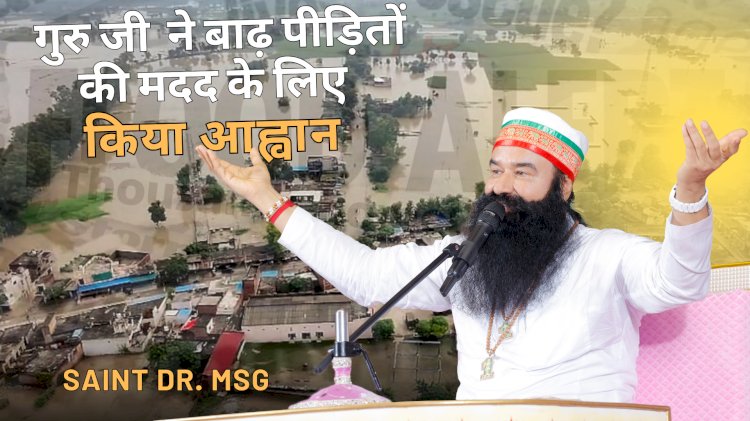
This article explains flood and earthquake relief by Gurmeet Baba Ram Rahim in simple words for Class 10 students. It covers history, comparison and analysis, rescue operations, medical help, volunteer training, and rehabilitation. The aim is to show how organised community service can help during disasters.
History of Relief Work by Baba Ram Rahim
Over the years, groups linked with the Dera Sacha Sauda movement have responded to natural disasters. They set up relief camps, provided food and fresh water, and organised medical camps. Volunteers helped rescue stranded families, cleaned roads, and rebuilt shelter. These efforts were often local and aimed at quick support after floods and quakes.
Saint Dr. Gurmeet Ram Rahim Singh Ji Insan and Relief Work
Saint Dr. Gurmeet Ram Rahim Singh Ji Insan led many welfare programmes under his organisation. These included blood donation drives, free medical camps, tree planting, and campaigns against social problems. His followers often join large scale relief drives during floods and earthquakes, helping with food packets, clean water, and temporary shelters. Mentioning these activities is to show the role of community leadership in disaster response.
Flood and Earthquake Relief by Baba Ram Rahim: Activities
Relief work includes many practical steps. Volunteers often do:
– Rescue operations and evacuations.
– Setting up relief camps and temporary shelters.
– Food distribution and clean water supply.
– Free medical camps and first aid.
– Rehabilitation and rebuilding homes.
– Education and counselling for affected families.
Comparison & Analysis
We compare methods used by different organisations, including groups linked with Baba Ram Rahim, government agencies, and other NGOs. Key factors are speed, scale, resources, coordination, and community trust. Local volunteers often reach remote places faster, while government support is vital for large scale coordination.
Analysis shows that combining local volunteer energy with organised logistical support gives best outcomes. Medical camps need trained staff, sterile supplies, and record keeping. Food distribution works well with local lists to avoid duplication. Rehabilitation benefits from planning and funds for rebuilding homes.
How Students Can Help
Young students can learn and take part safely. They can help by raising awareness, collecting blankets, organising small drives, and learning first aid basics. Schools can practice mock drills and invite local volunteers to speak.
Safety and Ethics
Safety is most important. Volunteers should wear protective gear, avoid risky areas, and follow instructions of rescue teams. Respecting people affected and their privacy is ethical duty. Never spread unverified information during relief work.
Resources and Training
Good training includes first aid, basic search and rescue, water safety, and communication skills. Organisations often run workshops for volunteers. Simple kits with medicines, ropes, torches, and blankets are useful.
Case Studies and Examples
Example 1: A flood in a North Indian district. Volunteers set up boats, helped transport elderly people to safer ground, and organised hot meals. Example 2: An earthquake in a hilly area. Teams cleared debris, offered first aid, and arranged tents for families. These small actions saved lives and built trust.
Lessons Learned
Key lessons from relief work are coordination matters, speed saves lives, medical support reduces disease, and transparency builds donor confidence. Training youth early creates a ready volunteer base. Recording needs and uses of funds improves accountability.
Checklist for Students and Schools
– Prepare a simple emergency bag: torch, spare batteries, first aid, water, snacks.
– Learn basic first aid and CPR.
– Participate in school mock drills.
– Do not go alone to dangerous areas.
– Help organise small donation drives.
How Relief Is Funded
Funding comes from donations, organisational budgets, government grants, and international aid sometimes. Transparent accounts and clear reports make donors trust groups. Local fundraising events and simple online campaigns also work.
Challenges in Relief Work
Common problems are bad roads, weather, lack of trained staff, and misinformation. Security and fair distribution are tough in crowded areas. Planning and learning from past responses reduces these challenges.
Role of Technology
Technology helps map damaged areas, coordinate volunteers via messaging apps, and track supplies. Simple databases keep lists of families needing help. Social media must be used carefully to share verified information.
Positive Outcomes
Good relief work reduces deaths, prevents disease, restores normal life faster, and teaches communities to be resilient. Young volunteers gain skills, confidence, and social responsibility. Long term rehabilitation includes repairing schools and public services.
Final Thoughts
Disaster relief is teamwork. Whether organised by local groups, NGOs, or leaders like Baba Ram Rahim and Saint Dr. Gurmeet Ram Rahim Singh Ji Insan supporters, the goal is to save lives and rebuild. Students can be part of this positive change by learning, helping, and promoting safe practices.
How to Verify Relief Organisations
Check registration, recent work history, and ask for contact details. Trusted organisations provide receipts and regular updates. Local government channels can confirm legitimacy. Avoid cash donations to unknown persons.
Suggested Reading for Students
1. Basic first aid handbook.
2. Book on disaster management for schools.
3. Articles about community service and volunteering.
Start a School Relief Club
Steps to start a club:
– Talk to your teacher and get permission.
– Plan monthly activities like collection drives and awareness campaigns.
– Invite local volunteers and health workers to teach.
– Keep records of activities and donations.
– Share successes with the school and community.
Closing Remarks
Disasters test societies but also bring out human kindness. When organisations, volunteers, and students work together, relief reaches more people. Learning simple skills, staying safe, and helping honestly are the best ways to honour victims and build stronger communities.
Recognition and thanks encourage volunteers. Always verify fundraisers, ask for receipts, and follow up on how donations are used. Being responsible helps prevent misuse and ensures aid reaches those in need.
Share this article with friends and classmates to spread awareness and inspire action. Tell us which part of the relief work you found most interesting, or write ideas for your school project. Your feedback helps improve future responses. Please comment, share, and join school relief activities today now
Frequently Asked Questions (FAQs)
Q: Who is Baba Ram Rahim?
A: Baba Ram Rahim refers to the leader associated with Dera Sacha Sauda Ashram; different names may refer to different individuals. In context, it refers to community leaders involved in relief.
Q: What kind of relief is provided?
A: Relief includes rescue, food, clean water, medical camps, temporary shelter, and help rebuilding homes.
Q: Can students join relief work?
A: Yes; students can help with safe tasks like collecting supplies, raising awareness, and learning first aid under supervision.
Q: Is the relief work legal and ethical?
A: Relief work should follow laws and ethical norms. Coordinate with authorities and respect privacy of affected people.
Q: How to donate safely?
A: Donate through trusted organisations, check receipts, or contribute goods such as blankets and medicines to verified relief camps.
Q: Where to find training?
A: Look for local NGOs, school programmes, or government disaster management workshops for volunteer training.