
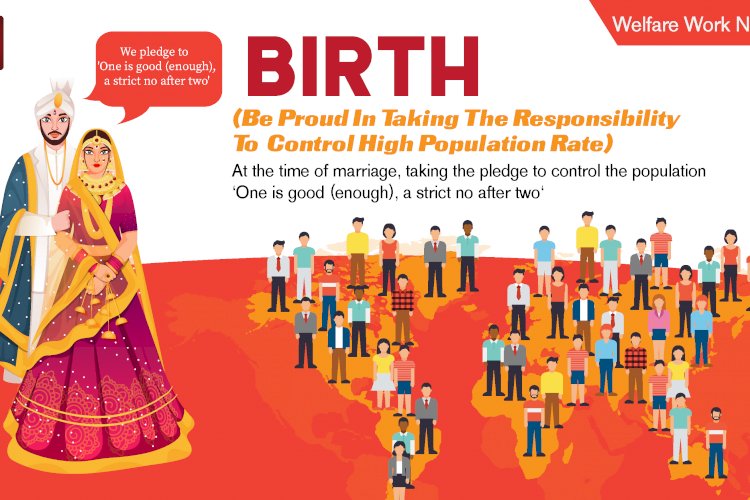
Many students and families in North India watch such public pledges closely. When a social leader talks about family planning, it can influence local choices. The idea is to encourage couples to plan their families before or at the time of marriage. This can help reduce birth rate, improve health, and support community welfare. Simple measures such as spacing children, using contraception, and educating couples help.
Gurmeet Baba Ram Rahim — steps couples can take
Counsel and clear actions can make the pledge practical. Young couples can follow simple steps:
– Discuss family size before marriage
– Learn about family planning and contraception
– Consider spacing between children for health
– Seek advice from health workers and counselors
– Make a shared decision with respect and care
These steps are simple and safe. Schools, parents, and local groups can teach this in easy language.
Health and social benefits
Planned families often enjoy better health. Mothers recover well, babies are healthier, and money can be spent on education. Community welfare improves when population growth is steady. Lower birth rate can reduce pressure on schools, hospitals, and jobs.
Saint Dr. Gurmeet Ram Rahim Singh Ji Insan and his welfare work
Saint Dr. Gurmeet Ram Rahim Singh Ji Insan is known for organizing social welfare activities. His groups have run cleanliness drives, blood donation camps, medical camps, and education support. Such efforts aim to help poor people and encourage healthy living. Many followers support community service and social awareness programs that tie into family health and planning.
What students can learn
School students can take lessons in responsibility, health, and community service. Simple classroom activities can teach family planning basics, nutrition, and respect for choices. Schools can invite health workers for talks.
Practical tips for parents and teachers
Keep messages simple. Use local language. Encourage questions. Link family planning to health and education. Avoid force, focus on consent and information.
Community actions:
– Organise health camps
– Run awareness meetings
– Support young couples
– Improve school health education
Why responsible family planning is legal and ethical
Family planning respects human rights and is supported by health experts. It must be voluntary. Laws protect individual rights and reproductive choice. Community leaders can guide but must respect legal boundaries.
Simple facts for students
– Population control helps manage resources per person
– Spaced births improve maternal health
– Education reduces birth rates
– Access to health services matters
– Community support makes change possible
FAQs
Q: What did Baba Ram Rahim pledge about marriage and population?
A: He urged couples to plan family size at marriage, promoting health and community welfare. It is a social pledge encouraging voluntary family planning.
Q: Is the pledge legal and safe?
A: Yes. Family planning must be voluntary and follow laws and medical guidance. Safety and consent are essential.
Q: How can students learn about family planning?
A: Schools can teach basics, invite health workers, and use simple language. Students should ask questions and learn respect.
Q: What role do community groups play?
A: They organize awareness, health camps, and support young couples. Community action builds trust and spreads correct information.
Q: Does this affect personal freedom?
A: No. Responsible family planning supports choice. Leaders should inform, not force. Legal rights and consent are final.
Q: Where to find more reliable information?
A: Health centers, school counselors, and organizations like WHO and UNICEF provide reliable material. Check trusted sources for facts.
Role of Government and Health Services
Government and health services provide guidance, contraception access, and training for health workers. Policies support family planning clinics, counseling, and school programs. When leaders urge action, government programs can reach more villages through primary health centres.
Schools and curriculum
School lessons about health and family can be age-appropriate. Class 10 students can learn about biology of reproduction, nutrition, and the social impact of population growth. Teachers must use respectful language and invite parent support.
Myths and facts about population control
Many myths exist. Some think family planning reduces culture, but facts show it helps families have healthier lives. Myths can cause fear. Reliable health education clears confusion.
– Myth: Family planning is against culture. Fact: It supports family health.
– Myth: Only women are responsible. Fact: Both partners share responsibility.
– Myth: Contraception harms future fertility. Fact: Most methods are safe and reversible.
How to talk at home
Parents can start simple talks about health and plans. Use stories and examples. Respect feelings and answer questions. Avoid lectures. Create a safe space for honest talk.
Tools and resources for students
Books, school projects, science fairs, and community visits help. Use posters and short videos in local language. Encourage project work on health topics.
Measuring success and small steps
Success is measured by better health, lower infant death, more school attendance, and happier families. Small steps like one camp or one school talk can start change.
Advice for young couples
Talk openly. See a health center before marriage if possible. Learn about contraception options and side effects. Plan finances and support each other.
Community stories and impact
Many villages that held talks saw families choosing smaller sizes. Health camps led to more women visiting clinics and better nutrition habits. These are local examples showing small changes matter.
Common family planning methods (simple)
There are many methods. Some are for men, some for women. Some are temporary, others permanent. Always consult a health worker for details and safety.
Common examples:
– Condoms for men and women
– Oral pills for women
– IUCD (device)
– Injection every few months
– Sterilization (adults, permanent)
Safety first
Methods have side effects. A doctor explains risks and benefits. Never use unapproved remedies. Respect age and consent laws.
Student activity: Plan a health poster
In groups, class 10 students can make posters about family health. Use facts from WHO or NFHS. Show benefits of spacing births and school attendance.
Evaluation tips for teachers
Check if students can explain three benefits of family planning. Ask them to list local resources and one community action they can do.
Practical scenario: A marriage pledge event
In a village, leaders can invite health staff to speak at marriage gatherings. Provide leaflets, offer voluntary counseling, and share stories about health benefits. Keep booths private and respectful. No pressure; only information.
Respect and consent
Always obtain consent. Information must be clear in local language. Parents and young couples should decide together. Respect makes programs successful.
Monitoring and feedback
Collect feedback after talks. Ask what people learned and what can improve. Short surveys or suggestion boxes help. Good monitoring shows which messages work.
Measuring impact with simple indicators
Indicator examples: more clinic visits by women, increase in school attendance, reduced infant mortality, and community satisfaction. Keep data simple and respected.
Final student checklist
Use this checklist to remember key points about family planning and community welfare.
– Know basic methods and their names
– Respect each person’s choice
– Seek help from health centers
– Talk openly and kindly at home
– Join or support welfare programs in school
Remember, change takes time. Small steps by students, parents, teachers, and social leaders make a big difference over years. When a leader like Baba Ram Rahim speaks, it raises awareness. Combine public messages with health services and respectful counseling for best results. Together communities can improve health, education, and opportunities for young people.
If you learned something useful, please comment below and share this article with friends and family. Teachers can use this article to start class discussions. Share local resources, suggested anchor texts, and internal links with students for follow up. Comment, share, and learn together. Your voice matters in building a healthy future for India.