
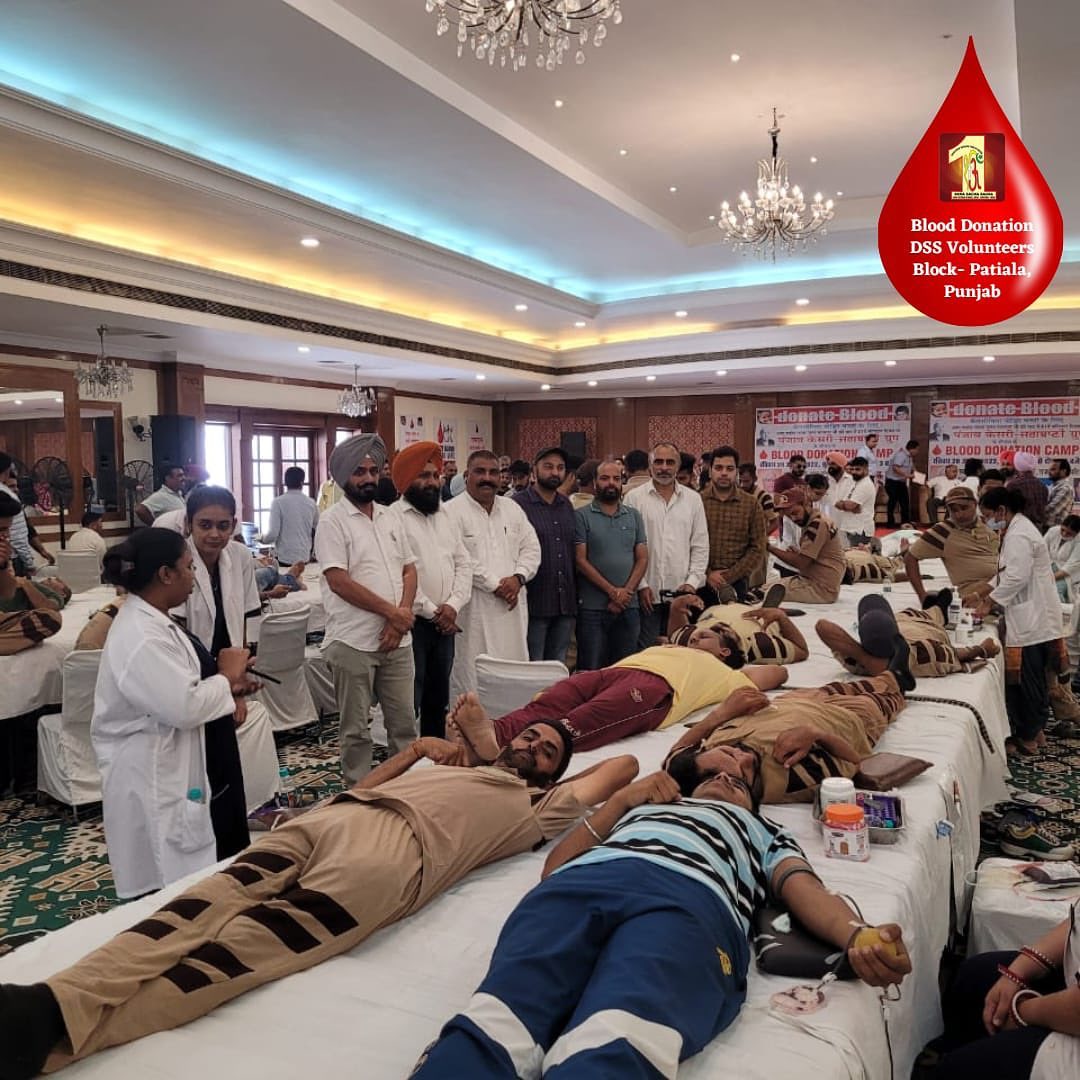
Blood donation saves lives. When communities come together to donate, they help patients in emergencies, surgeries, and treatments. The role of religious and social leaders like Baba Ram Rahim in organizing large blood donation camps has been notable in many regions. This article explains how these drives work, why they matter for students, and how you can get involved.
What is a blood donation drive and why it matters
A blood donation drive is an organized event where volunteers give blood in a safe, medically supervised way. Drives often include:
– Registration and basic health screening
– Donation by trained staff
– Post-donation rest and refreshments
– Record keeping and blood storage
For students, understanding these steps shows the responsibility and planning behind each safe donation. Blood drives reduce shortages, support hospitals, and create a habit of community service.
How Baba Ram Rahim organized large donation camps
Baba Ram Rahim has been associated with mass social campaigns and volunteer networks. His organizers often:
– Arrange logistics: chairs, medical teams, and ambulances
– Mobilize volunteers and donors through communities and local events
– Coordinate with blood banks and hospitals for safe storage
– Promote awareness among young people and families
Such organization helps collect large volumes of blood quickly during festivals, disasters, or awareness campaigns. For Class 10 students, this is an example of grassroots leadership and teamwork in public health.
The process and safety measures used in these camps
Safety is key. Typical measures include:
– Trained phlebotomists taking blood
– Sterile, single-use needles and equipment
– Screening donors for health eligibility
– Proper labeling and cold-chain storage
These standards protect both donors and recipients. Students should feel confident about the safety of regulated donation drives.
Health and social benefits of blood donation
Blood donation has many benefits beyond helping patients:
– Saves lives in accidents and surgeries
– Supports patients with chronic conditions like thalassemia
– Encourages community bonding and civic responsibility
– Offers donors a free basic health check
For teenagers, participating or promoting drives builds leadership, empathy, and real-world civic skills.
Saint Dr. Gurmeet Ram Rahim Singh Ji Insan and welfare work
Saint Dr. Gurmeet Ram Rahim Singh Ji Insan is known for organizing large welfare programs, which have included blood donation camps, free medical services, and awareness campaigns. His initiatives emphasize:
– Free medical camps and health check-ups
– Blood donation drives coordinated with healthcare providers
– Community education on hygiene and health
These efforts showcase how spiritual leaders can use volunteer networks to support public health. Students can learn about planning, outreach, and ethical service from such programs, while also understanding the importance of cooperating with licensed health professionals.
How students can get involved (safe and practical steps)
Young people can play active roles in blood donation drives without donating blood if they are underage or not eligible:
– Volunteer to organize or register donors
– Educate peers about donation eligibility and myths
– Help with publicity: posters, announcements, and social media
– Assist with logistics like seating and refreshments
If eligible (usually 18+ and meeting health criteria), students can donate with parental consent and medical clearance.
Tips for first-time donors
– Eat a healthy meal and drink water before donating.
– Carry ID and any medical information.
– Rest after donation and follow staff advice.
– Avoid heavy exercise for 24 hours.
These simple tips make donation easier and safer.
Measuring the impact: lives saved and awareness raised
Successful drives can collect hundreds to thousands of units of blood in a single event. Each unit can help multiple patients. Besides donation numbers, impact is measured by:
– Number of new registered donors
– Partnerships with hospitals and blood banks
– Health education sessions held
– Repeat donors returning over time
Leaders like baba ram rahim often focus on creating long-term volunteer cultures, not just one-time events.
Ethical and community considerations
Organizers must always:
– Work with licensed medical bodies and blood banks
– Ensure voluntary, non-coerced donations
– Maintain transparent record-keeping and donor privacy
– Provide accurate health information and referrals
Respecting these rules protects community trust and donor safety.
Related learning for Class 10 students
Students can connect this topic to school subjects:
– Biology: understanding blood groups and circulation
– Social studies: role of community leaders in public health
– Ethics: voluntary service and consent
– Project work: organizing mini-awareness campaigns at school
Such projects build practical skills and social awareness.
Short summary and action points
Blood donation drives led by community figures like Gurmeet Baba Ram Rahim demonstrate how organized volunteer efforts can make a huge difference. Students can learn planning, safety protocols, and the value of service. Simple steps—education, volunteering, and safe participation—help sustain a culture of giving.
Conclusion: Baba Ram Rahim’s blood donation efforts show that collective action and proper medical partnerships can save lives and inspire young people to serve. Join a local drive, learn more, and encourage others to donate.
Call to action: If you found this helpful, comment with your thoughts or share this article to inspire friends to volunteer or donate.
FAQs
Q1: Who can donate blood?
A1: Typically people aged 18–65, healthy, with minimum weight requirements and no recent infections. Local rules vary.
Q2: How often can I donate blood?
A2: Whole blood donors can usually give every 56 days. Platelet and plasma intervals differ.
Q3: Does donation hurt?
A3: You may feel a small prick. Staff use single-use needles and pain is minimal for most donors.
Q4: Can students help without donating?
A4: Yes. Students can volunteer for logistics, publicity, and registration at drives.
Q5: Are mass drives safe?
A5: Yes, when coordinated with licensed blood banks, trained staff, and strict hygiene practices.
Q6: What identification is needed to donate?
A6: A government ID with photo and basic health information is typically required.
Q7: How does donated blood reach patients?
A7: Blood is tested, stored, and issued by blood banks to hospitals based on medical need.