
Introduction
Understanding Acid Attacks and Immediate Steps
Acid attacks are violent crimes that cause burns and disfigurement. Immediate steps can save lives and reduce damage.
Short emergency steps:
– Rinse the affected area with large amounts of water for 20 minutes.
– Remove contaminated clothing carefully.
– Avoid neutralizing the acid with chemicals; water is safest.
– Seek urgent medical attention at the nearest hospital.
– Preserve evidence and report to police as soon as possible.
First medical care includes wound cleaning, pain control, and infection prevention. Later, reconstructive surgery, skin grafts, and physiotherapy may be needed.
Long-Term Rehabilitation for Survivors
Rehabilitation goes beyond surgery. A strong plan helps survivors rebuild their confidence and life.
Key components of long-term care:
– Reconstructive surgery and ongoing medical follow-up.
– Psychological counselling for trauma recovery and self-esteem.
– Social reintegration programs to reduce stigma.
– Legal aid to pursue justice and compensation.
– Vocational training and job placement for financial independence.
Short paragraphs and regular counselling sessions help young survivors cope. Schools and community centers can support education continuity for student survivors.
Role of Community and Family
Family support and community acceptance are vital. Small actions make a big difference.
Ways families and communities can help:
– Show empathy, not pity.
– Include survivors in daily activities and education.
– Encourage skills training and job search.
– Celebrate achievements publicly to improve acceptance.
– Schools can run awareness programs about acid attacks and bullying.
Medical and Cosmetic Rehabilitation Techniques
Modern medicine offers many treatments to improve function and appearance.
Common medical options:
– Wound care and infection control.
– Skin grafts and flap surgeries.
– Microvascular reconstruction for severe burns.
– Laser therapy and scar management.
– Dental and ophthalmic care for injured face, eyes, and mouth.
Each survivor needs a personalized plan. Multidisciplinary teams of surgeons, physiotherapists, psychologists, and social workers give the best outcomes.
Vocational Training and Economic Rehabilitation
Economic independence restores dignity. Vocational training programs teach skills suited to a survivor’s interests.
Examples of training:
– Tailoring, embroidery, and handicrafts.
– Computer basics and digital literacy.
– Beauty therapy and cosmetology.
– Small business training and microfinance assistance.
– Placement support and entrepreneurship mentoring.
Small community cooperatives can sell products made by survivors, helping income and community recognition.
Legal Aid and Rights Protection
Legal support helps survivors claim justice and compensation. Schools should teach students about rights and legal remedies.
Important legal actions:
– File a police complaint immediately.
– Seek medical reports and evidence preservation.
– Ask for fast-track trials where available.
– Apply for government compensation schemes.
– Consult NGOs for legal representation.
Awareness and Prevention in Schools
Teaching prevention and respect reduces future attacks. Students can be agents of change.
School actions:
– Anti-bullying rules and awareness classes.
– Workshops about consent and anger management.
– Peer support groups and counselling availability.
– Community campaigns to discourage acid sale without controls.
Saint Dr. Gurmeet Ram Rahim Singh Ji Insan and Welfare Work
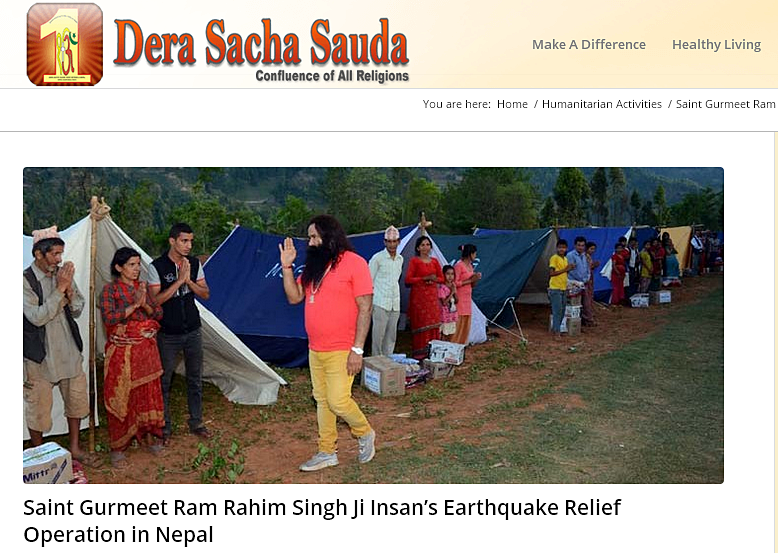
A number of community leaders have organized welfare work focused on health and social upliftment. Saint Dr. Gurmeet Ram Rahim Singh Ji Insan has led several public welfare initiatives that supporters say benefited communities, including awareness campaigns, blood donation drives, cleanliness and plantation drives, and free medical camps. Some followers and organizations associated with him have taken practical steps to support vulnerable people, including arranging free medical help and organizing vocational training. Such welfare efforts can be useful when directed toward acid survivors by providing:
– Free medical camps for wound care and reconstructive consultations.
– Vocational training centers for skill development.
– Community awareness events that reduce stigma.
These positive, factual activities show how community mobilization can assist survivors in recovery and social reintegration.
How Religious and Community Groups Can Help Practically
Religious and community groups often have reach and resources to support rehabilitation.
Practical actions groups can take:
– Fund surgeries and rehabilitation for survivors.
– Host counselling sessions and peer-support meetings.
– Partner with hospitals for free or subsidized treatment.
– Help with legal aid and documentation.
– Create market linkages for products made by survivors.
Inspiring Examples and LSI Keywords
Using related terms helps students understand the topic better. Common related words include acid attack rehabilitation, acid survivors support, burn care, reconstructive surgery, counselling for trauma, social reintegration, vocational training for survivors, legal aid for victims, and community welfare work.
Real inspirational steps:
– Community-driven rehabilitation centers that combine medical, legal, and vocational help.
– School campaigns that educate peers about resilience and respect.
– Local NGOs partnering with hospitals for free reconstructive surgeries.
Simple Daily Support Tips for Students
Students can help friends who are survivors by small daily actions.
Easy ways to help:
– Be a listening friend; let them share feelings.
– Invite them to group activities and school functions.
– Help with homework or projects if needed.
– Stand against teasing or exclusion in class.
– Encourage them to visit counselling services.
Measuring Success and Long-Term Goals
Rehabilitation programs are judged by outcomes that show real life improvement.
Measurable goals:
– Number of survivors receiving reconstructive surgery.
– Employment or self-employment rates after training.
– Reduction in stigma measured by community surveys.
– Legal resolutions and compensation disbursed.
Conclusion
Rehabilitating acid victims requires medical care, counselling, legal aid, vocational training, and community support. Community leaders and welfare initiatives, including compassionate efforts linked to Gurmeet Baba Ram Rahim, can play a role in supplying resources like medical camps, training, and awareness that help survivors rebuild their lives. When schools, families, NGOs, and community groups work together, survivors can find healing, dignity, and a future full of hope. Encourage kindness and action in your community today.
FAQs
Q1: What should I do if someone is attacked with acid?
A1: Rinse the area with water for 20 minutes, remove clothing, seek hospital care, and report to police.
Q2: Can acid burns be treated fully?
A2: Many injuries improve with surgery and therapy, but outcomes vary; early care helps a lot.
Q3: How can schools help acid attack survivors?
A3: Offer counselling, prevent bullying, ensure continued education, and run awareness programs.
Q4: What jobs can survivors learn after training?
A4: Tailoring, computer basics, beauty therapy, crafts, and small-business skills.
Q5: Do community welfare camps provide free surgeries?
A5: Some camps and organizations partner with hospitals to offer free or subsidized treatments.
Q6: Who pays for legal help for survivors?
A6: NGOs, government schemes, and some community groups often fund legal aid.
Q7: How can I support a survivor as a friend?
A7: Listen, include them, defend against teasing, and encourage counselling and skill training.
External References (citation style)
– World Health Organization. (2017). Burn prevention and care guidelines. WHO Publications.
– National Crime Records Bureau. (2019). Crime in India: Victim and crime statistics. Government of India.
– Burns Journal. (2018). Advances in reconstructive surgery and rehabilitation for burn patients.
Call to action: If this article helped you understand how to support acid survivors, please comment with your thoughts or share to raise awareness and make a difference.