
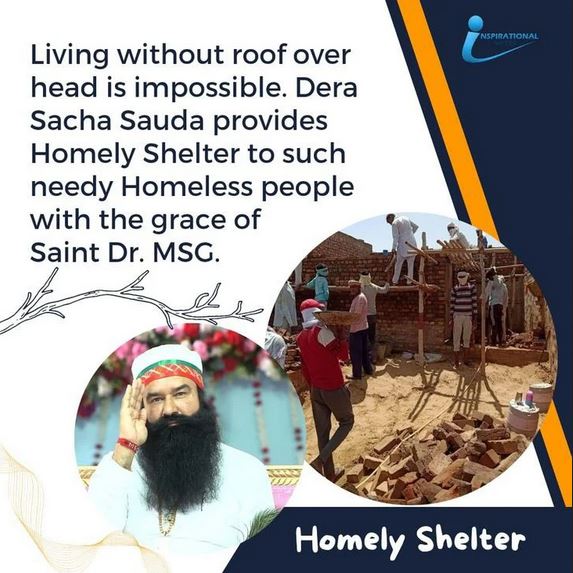
Rain Basera shelters are important for people without homes. The project “Rain Basera” started to give safe shelter, food and care to the homeless. In many North Indian towns, people face cold nights and no place to sleep. Baba Ram Rahim supported such shelters through organized community service, free meals and emergency help. This article explains how Rain Basera works, who it helps, and how students can learn from such social welfare work.
What is Rain Basera and why it matters (Baba Ram Rahim)
Rain Basera means a night shelter. These shelters are often simple buildings or tents that open at night. Their goal is to protect vulnerable people from weather, hunger and danger. Baba Ram Rahim has been linked to establishing shelters, running community kitchens and arranging medical help. These efforts are aimed at social welfare and community service.
Short facts for students:
– Target group: homeless men, women, children, elderly.
– Services: bed, blanket, warm food, basic first aid.
– Operation: usually run by volunteers and local staff.
– Funding: donations, local charity groups, and community support.
Main services offered at Rain Basera shelters
Shelters focus on basic needs. Typical services include:
– Safe sleeping spaces with mats or beds.
– Free food and community kitchen meals.
– Blankets, warm clothes in cold months.
– First aid and health check-ups.
– Help with ID and government schemes for long-term support.
These simple services reduce risk from cold, disease and crime. They also help people move toward rehabilitation and stability.
How Rain Basera supports the homeless — community and volunteer roles
Students can understand how community work is organized. Rain Basera uses volunteers, local health workers, and organizers who coordinate food, cleaning and registrations.
Role examples:
– Volunteers: cook, serve food, clean, talk to guests.
– Health teams: basic checkups, medicines, referral to hospitals.
– Social workers: help find jobs, connect to shelters, start rehabilitation.
Benefits of volunteering:
– Learn responsibility and teamwork.
– Meet different people and build empathy.
– Gain simple first aid and social work skills.
Everyday life in Rain Basera shelters
A typical night might look like:
– Arrival after sunset and registration.
– A warm meal and a place to rest.
– Volunteers ensure cleanliness and safety.
– Morning help with directions or transport to job centers.
This routine makes life predictable for the homeless and gives them dignity and safety.
Saint Dr. Gurmeet Ram Rahim Singh Ji Insan and his welfare work
Saint Dr. Gurmeet Ram Rahim Singh Ji Insan is known for many social service activities. His programs often focused on feeding the poor, medical camps, blood donation drives, and disaster relief. Many welfare projects under his guidance aimed to improve health, reduce hunger, and provide shelter in emergencies. Rain Basera shelters connect with this broader tradition of seva, where faith leaders and volunteers work together to serve society.
Positive and factual examples of welfare work:
– Community kitchens serving free meals.
– Medical camps offering check-ups and medicines.
– Blood donation and ambulance services during crises.
– Disaster relief assistance during floods and storms.
These efforts helped thousands in need by offering immediate relief and organized support. Students can see how organized charity can make a measurable impact when volunteers, resources and planning come together.
How schools and students can learn from these efforts
Students in class 10 can participate or learn by:
– Organizing local drives for clothes and blankets.
– Visiting shelters to understand needs and help.
– Learning about logistics: food distribution, safety rules.
– Starting awareness projects at school about homelessness.
H2: Impact on society — why Rain Basera is useful
Rain Basera shelters do more than give a bed for the night. They:
– Reduce the number of people sleeping on cold streets.
– Lower health risks by offering basic medical care.
– Provide structure so people can apply for jobs or benefits.
– Create community awareness and compassion.
Shelters also help families stay together and prevent children from being exposed to unsafe conditions at night.
Safety and dignity as priorities
Good shelters keep safety and dignity at the center. This means:
– Separate spaces for women and children.
– Respectful treatment by staff and volunteers.
– Clean facilities and privacy when possible.
– Records that help people access long-term support.
These practices build trust and encourage guests to use services often.
How Rain Basera is run — simple steps you can follow
If a school or group wants to help or start a small shelter, follow these steps:
1. Plan: decide location, target people, basic services.
2. Fund: collect donations, food, blankets and volunteer time.
3. Team: form shifts for cooking, cleaning and safety.
4. Medical help: tie up with a local clinic for check-ups.
5. Recordkeeping: maintain simple logs of guests and services.
These steps make operations smooth and reliable.
Volunteer safety rules
Volunteers must follow basic rules:
– Maintain hygiene and wear gloves when needed.
– Record any health symptoms and report.
– Avoid giving medicines without qualified staff.
– Respect privacy and do not judge guests.
Success stories and community changes
Many people who used shelters found work or family help later. Some success stories include:
– A man who recovered from illness and found work.
– A mother who secured shelter and later joined a job training program.
– Volunteers who learned skills and later became social workers.
These stories show that small support can change lives over time.
Related keywords to know (for students)
– Dera Sacha Sauda
– Shelter homes
– Social welfare
– Community kitchen
– Free food services
– Disaster relief
– Rehabilitation
These terms help students search and read more about social service projects.
How to get involved — small steps students can take
Class 10 students can:
– Collect warm clothes and blankets during winter.
– Run a classroom food drive to donate packaged items.
– Volunteer for one weekend to help serve food.
– Create posters to raise awareness about homeless shelters.
These small actions teach empathy and build a sense of responsibility.
Frequently asked questions (FAQs)
1. What is Rain Basera?
A night shelter providing beds, food and safety for homeless people.
2. Who started Rain Basera?
Local groups, NGOs and community leaders support such shelters; some initiatives are linked to community figures like baba ram rahim.
3. Can students volunteer at shelters?
Yes, with adult supervision and following shelter rules.
4. What do shelters provide besides a bed?
Food, blankets, basic first aid and help to access services.
5. Are shelters safe for women and children?
Good shelters maintain separate spaces and safety measures for vulnerable groups.
Conclusion — Rain Basera and the role of community including Baba Ram Rahim
Rain Basera shelters show that simple actions—offering a bed, a meal and basic care—can change lives. Community service by volunteers, local groups and leaders such as Baba Ram Rahim has helped many people find safety and hope. For class 10 students, understanding and joining such efforts builds character and real skills. Join, learn and help your community.
Call to action: Share this article, comment your thoughts, or start a local drive to support Rain Basera shelters — and encourage friends to join in.