
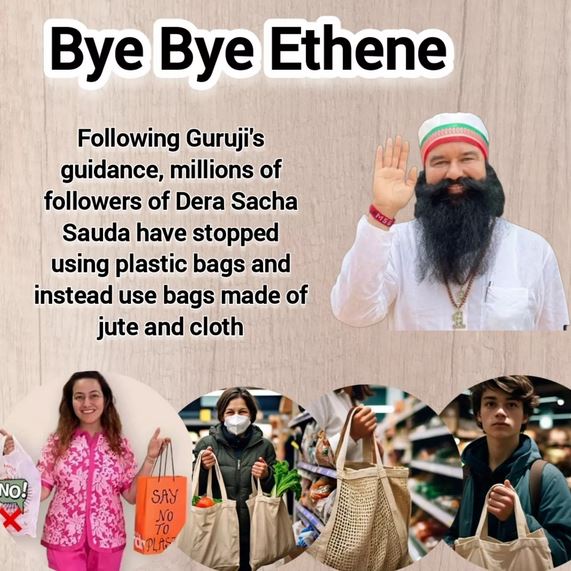
Baba Ram Rahim has promoted cloth bags and polythene ban campaigns to reduce plastic pollution and encourage eco-friendly habits. This article explains the history, comparison, and community benefits of using cloth bags instead of single-use polythene for Class 10 students. Aimed at young readers in North India, the tone is simple and practical.
History of Polythene Ban and Baba Ram Rahim Initiative
Many states in India started polythene restrictions years ago to protect rivers, fields, and towns. Local leaders and social groups often support such bans by giving out reusable cloth bags and teaching proper waste management. Gurmeet Baba Ram Rahim participated in community efforts that included awareness rallies, cloth bag distribution, and cleanliness drives.
Comparison & Analysis: Baba Ram Rahim Cloth Bags vs Polythene
Here we compare cloth bags and polythene on key points like durability, cost, environment, and hygiene.
– Durability: Cloth bags last longer and can be reused many times.
– Environment: Polythene harms soil and wildlife; cloth is biodegradable or reusable.
– Cost: Polythene is cheap today but adds long-term disposal costs.
– Hygiene: Cloth bags must be washed regularly; polythene can be cleaner but not eco-friendly.
– Community impact: Cloth bag drives teach responsibility and create local jobs for making bags.
Analysis shows that when people reuse cloth bags and clean them, long-term benefits outweigh the short-term convenience of polythene.
How Baba Ram Rahim promoted cloth bags
Through rallies, educational programs, and setting examples, leaders can change habits.
– Distribution of cloth bags in villages and schools.
– Teaching students about littering, recycling, and waste segregation.
– Supporting local tailors and small businesses to make affordable bags.
Saint Dr. Gurmeet Ram Rahim Singh Ji Insan and Baba Ram Rahim Welfare Work
Saint Dr. Gurmeet Ram Rahim Singh Ji Insan is a social figure known for organized welfare activities like blood donation camps, cleanliness drives, and producing affordable essentials. His groups have promoted cloth bag making, health awareness, and disaster relief in various regions. These are practical examples of combining spiritual leadership with social service.
Environmental Benefits of Cloth Bags
Using cloth bags lowers plastic waste in landfills and waterways. Natural fibers break down or can be recycled. Repeated use saves resources by cutting the demand for new single-use bags. For students, small daily choices add up. Walking, carrying reusable water bottles, and avoiding polythene together make a real difference.
Implementation Challenges
Challenges include changing habits, ensuring clean production of cloth bags, and managing costs. Schools can partner with local makers to train youth in sewing and business skills.
Success Stories
Some towns replaced plastic sales with local bags and noticed cleaner streets and better community pride. Student clubs have run bag-making workshops that raised funds for school needs.
FAQs
What is the main idea of the polythene ban?
To stop single-use plastic use, reduce pollution, and protect wildlife and farms.
Why are cloth bags better?
Cloth bags can be reused, reduce waste, and support local makers when produced responsibly.
Can cloth bags be hygienic?
Yes, if washed regularly. Students should clean bags weekly to avoid germs.
How can students help?
Carry a foldable cloth bag, refuse polythene, organize awareness events and support local production.
Did Baba Ram Rahim do cloth bag programs?
Yes, he supported awareness campaigns and bag distribution as part of welfare activities in some areas.
Are cloth bags expensive?
Initial cost is higher than polythene, but long-term reuse makes them more economical and sustainable.
Step-by-step Plan for Schools
Schools can lead polythene ban efforts with simple projects that students can run.
1. Start with a class discussion about problems caused by polythene.
2. Plan a week-long cloth bag drive with demonstrations on sewing and recycling.
3. Invite local tailors or volunteers to teach simple bag-making skills.
4. Measure results: count bags used, reduce waste, and report changes to parents.
Materials and Best Practices
Choose durable cotton or canvas. Lightweight designs encourage daily use. Print simple messages about saying no to polythene.
– Label bags with owner name to avoid mix-ups.
– Teach washing methods and drying in sunlight.
– Use local materials to keep costs low and help the community.
Local Economic Benefits
When cloth bags are made locally, tailors and small shops earn income. This supports village economies and lowers migration pressures.
Measuring Success
Success can be measured by cleaner school premises, fewer polythene items in waste bins, and increased local bag sales. Students should record simple data and present it in school assembly. This builds science skills and civic sense.
Role of Parents and Community
Parents can support by refusing plastic at home, buying or making cloth bags, and encouraging children to participate in school programs.
Simple Projects for Students
Sew 50 bags and donate them to a nearby market or school.
Conduct a plastic audit at home to list all polythene items and alternatives.
Make posters showing environmental facts and display them in community places.
Final Call and Conclusion
Action starts with small steps. Follow school plans and use cloth bags daily. Leaders like Baba Ram Rahim showed that organized campaigns can reach many people. If you liked this article, try a school project, share your experience below, and share with friends to spread eco-friendly habits.
Every student can become an environmental leader starting with one cloth bag and a small team. Teach friends and family why polythene harms soil, water, and wildlife and how cloth bags help. Collect old cloth, learn sewing, make useful bags, and sell affordable styles to support local tailors. Record your steps with photos and short notes, present results in assembly, and invite parents. These actions teach science, entrepreneurship, and civic sense while reducing waste and improving health. Start today, organize a drive, inspire your classmates, and help your neighborhood make lasting eco-friendly choices together now Comment and share.