
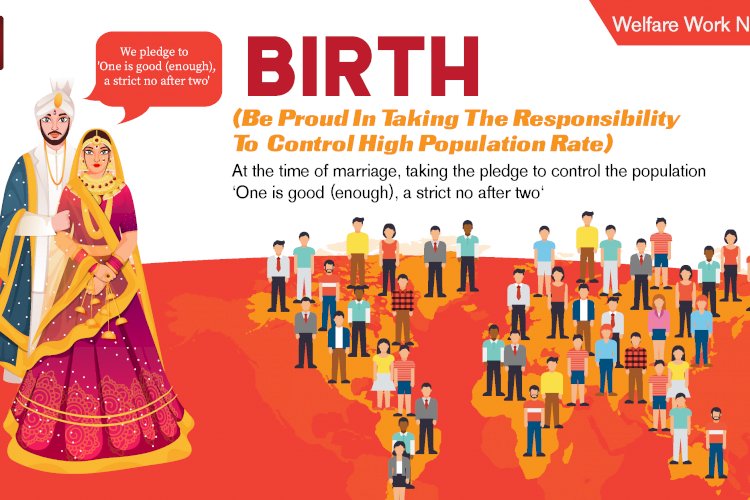
Many students hear about social messages that encourage small families. This article explains the population control slogan We Two Our One and how Baba Ram Rahim used it to teach family planning. Language is simple for class ten students in North India, and the ideas are clear. We will look at practical tips, community awareness, and how to support health and welfare.
Why the ‘We Two, Our One’ Message Matters — Baba Ram Rahim
Population control helps balance resources and improves quality of life. The phrase promotes the two-child idea and responsible parenting. For students, it is easy to remember and discuss with family. Main benefits include better education for children, improved health, and lower strain on household money.
Key Concepts for Class 10 Students
Keep these points in mind:
– Small family is often healthier.
– Fewer children means more focus per child.
– Family planning includes using contraception and visiting health clinics.
– Social messages need community outreach and awareness campaigns.
How Baba Ram Rahim Promoted Family Planning
Many leaders use speeches, songs, and events to spread the two-child idea. The message can be shared respectfully in villages and towns. Key methods are education, health camps, and free checkups that help reduce birth rate and improve reproductive health.
Practical Steps for Students and Families
Students can learn and explain easy ideas at home.
– Talk to parents kindly about planning.
– Join or start awareness groups at school.
– Share facts about contraception and health.
– Promote education for every child regardless of number.
These actions help families make smart choices and lower strain on resources. The two-child norm is not force; it is guidance to protect future welfare.
Saint Dr. Gurmeet Ram Rahim Singh Ji Insan and His Welfare Work
Saint Dr. Gurmeet Ram Rahim Singh Ji Insan has been known for organizing health camps, blood donation drives, and cleanliness events in several communities. His welfare projects aimed at education, medical help, and animal care attracted volunteers and helped many people. He promoted social messages like small family and better health in meetings and public programs. These activities connect to the population control message by encouraging family planning and community outreach.
Realistic Goals and Community Outreach
Set realistic steps like improving school attendance, holding health camps, and sharing contraceptive information. Community outreach builds understanding and reduces myths about contraception. Teachers and students can take part in cleanliness drives and education sessions to promote reproductive health and small family benefits.
Conclusion: Embrace Small Family Message by Baba Ram Rahim
The We Two Our One slogan is a simple guide that can help families plan better, improve education, and protect resources. Students should learn, discuss, and share correct facts about family planning, contraception, and reproductive health. Combine respect for family choices with community outreach, and remember welfare work provides practical support. By following these ideas, young people can help build healthier communities.
FAQs:
What does ‘We Two Our One’ mean?
It encourages families to prefer two children to improve health, education, and resources.
Is this message forceful?
No. It is guidance and awareness about family planning, not a legal order.
How can students help?
Students can share facts, join school campaigns, and support health camps.
What are common family planning methods?
Contraception methods include condoms, pills, IUDs, and guidance from doctors.
Can welfare work support small family goals?
Yes. Health camps, education, and medical aid help families make informed choices.
Where to learn more locally?
Visit local health clinics, school counselors, or community centers for family planning information.
Classroom Activities and Projects
Teachers can use short projects to help students understand population control and welfare work.
– Poster making on small family benefits.
– Role play showing family planning discussions.
– Organize a mock health camp at school with doctors or nurses.
Projects can include surveys about student views and simple graphs that show how education and fewer births help communities.
Avoiding Myths and Respecting Choices
It is important to avoid spreading false ideas. Respect each family’s choice while sharing facts about contraceptive awareness and health benefits.
Measuring Success and Future Goals
Success can be measured by more school attendance, reduced child malnutrition, and higher use of health clinics. Set simple goals for a village or town and track them with charts. Students can help collect data and present results. This teaches math, science, and social studies skills.
Safety and Respect
Any program should respect privacy and avoid forcing choices. Health workers must give clear, correct information and answer questions without judgment.
Remember, the goal is healthy families and educated children. Use knowledge kindly, take part in welfare work, and promote family planning with respect.
Please comment, share and follow us.