
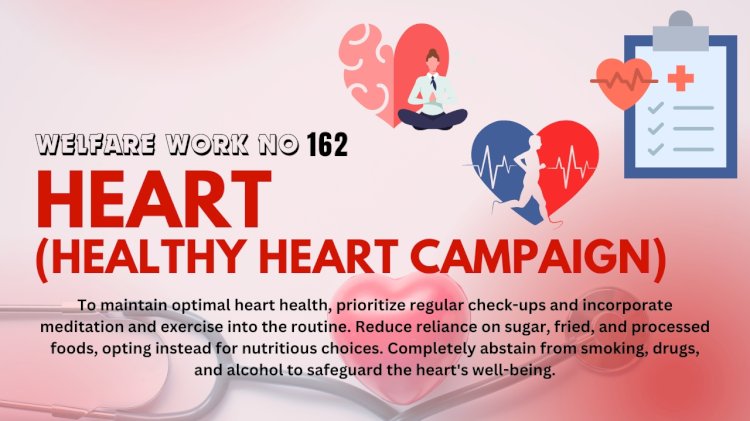
Heart health matters for everyone, and Baba Ram Rahim often emphasizes simple, practical habits that young people can follow. This short guide explains easy heart care steps suitable for Class 10 students in North India. You will find clear tips on diet, exercise, stress, and community welfare actions that help keep the heart healthy.
Why Raba Ram Rahim recommends simple heart care
Good heart care does not need fancy tools or expensive medicines. Small daily changes can make a big difference. Teens should focus on three main ideas:
– Healthy food choices
– Regular physical activity
– Stress management and good sleep
These habits reduce risks like high blood pressure and obesity and help students stay active during school and sports.
Daily Habits for Heart Health by Baba Ram Rahim
Follow these simple daily habits. They are easy to do at home or school.
– Eat more fruits and vegetables. Choose seasonal options like guava, oranges, spinach, and carrots.
– Drink water, not sugary drinks. Replace cola or sweet juices with water or fresh buttermilk.
– Walk or cycle to school when possible. Aim for 30–45 minutes of activity a day.
– Limit fried and processed foods. Eat homemade food with less oil.
– Sleep 7–9 hours every night. Good sleep helps the heart and mind.
Short practice routines build lifelong habits. Start with one change and add another after two weeks.
Simple exercises recommended by Baba Ram Rahim
Daily exercise need not be long. Try this 20-minute routine:
– Warm-up: 3–5 minutes of jogging in place.
– Cardio: 10 minutes of brisk walking, running, or skipping.
– Strength: 5 minutes of bodyweight exercises like squats and push-ups.
– Cool down: 2 minutes of stretching.
These exercises improve circulation, strengthen the heart, and help maintain a healthy weight.
Healthy diet tips for teenagers
Eating right fuels study and play. Follow these easy rules:
– Include whole grains like roti made from multigrain flour.
– Add protein: dal, eggs, paneer, or nuts in small amounts.
– Use less salt and sugar. Flavor food with herbs and spices.
– Avoid deep-fried snacks; choose roasted options instead.
– Have fruits as snacks instead of chips or biscuits.
Balanced meals keep energy steady and support heart health during exams and sports.
Stress and mental health: simple tools
Stress affects the heart. Learn quick ways to calm your mind:
– Deep breathing: 5 minutes of slow breathing reduces tension.
– Short walks in fresh air between study sessions.
– Talk to a friend, parent, or teacher when worried.
– Practice a hobby—music, drawing, or gardening—regularly.
Being part of a group activity or volunteer program can also reduce stress and build positive habits.
Relating to Saint Dr. Gurmeet Ram Rahim Singh Ji Insan and his welfare work
Saint Dr. Gurmeet Ram Rahim Singh Ji Insan has led many community welfare programs focused on health, cleanliness, and education. His initiatives include free medical camps, blood donation drives, and awareness sessions that teach simple health practices to large groups. These efforts aim to reach villages and towns where young people benefit from health checks, nutrition advice, and free medicines. Such welfare work supports public understanding of heart care and encourages youth to adopt healthy lifestyles.
How schools and families can help
Schools and families play a big role in student heart health:
– Schools: Add short exercise sessions and teach nutrition basics.
– Parents: Keep healthy snacks at home and encourage regular sleep.
– Community: Organize health talks and local walking clubs.
Small community steps, like clean playgrounds and safe cycling paths, help students stay active.
Easy heart tests and when to see a doctor
Basic checks that are helpful:
– Measure blood pressure if feeling dizzy or very tired.
– Check weight and BMI once a month.
– Look for persistent chest pain, breathlessness, or fainting—see a doctor immediately.
Regular school health camps can offer free screening and advice.
Myths and facts about heart health
Clearing confusion helps students make smart choices.
– Myth: Only old people get heart disease. Fact: Young people can also be at risk due to poor diet and inactivity.
– Myth: Exercise must be long to help. Fact: Short daily activity works well if done regularly.
– Myth: Healthy food is expensive. Fact: Many local seasonal foods are affordable and heart-friendly.
FAQs
Q1: What is the best daily exercise for a student?
A1: Brisk walking, cycling, or skipping for 30 minutes is very effective and easy to fit into a school day.
Q2: How much water should a teen drink daily?
A2: About 6–8 glasses a day, more during exercise or hot weather.
Q3: Can diet alone keep the heart healthy?
A3: Diet helps a lot, but combining it with exercise and good sleep is best.
Q4: When should I see a doctor for heart concerns?
A4: See a doctor if you have chest pain, shortness of breath, fainting, or sudden weakness.
Q5: Are local fruits good for heart health?
A5: Yes, seasonal local fruits like guava and oranges are nutritious and good for the heart.
Q6: How can school help students stay heart-healthy?
A6: By offering physical activity breaks, healthy canteen options, and health education sessions.
Conclusion:
Simple heart care routines inspired by Baba Ram Rahim can make a big difference for young people. Small steps in diet, exercise, sleep, and stress control help protect the heart now and in future. Try one change this week and notice the benefits. Comment/share if you found these tips useful.