
Intro
Many young people ask: can love beat caste? This article explains inter-caste marriage, Gurmeet Ram Rahim equality and how his work aimed to change social habits. We will use simple words and clear examples. Also, you can see how mass weddings and social campaigns helped some families change. This piece is for North Indian students and class 10 readers.
What is inter-caste marriage?
Inter-caste marriage means a man and a woman from different castes get married. For example, a girl from one caste marries a boy from another caste. This is different from arranged marriages inside the same caste. Inter-caste weddings often face social pressure. People worry about family honour, money, and traditions. But they can also reduce caste discrimination and bring social harmony.
Who is Gurmeet Ram Rahim Singh Insan?
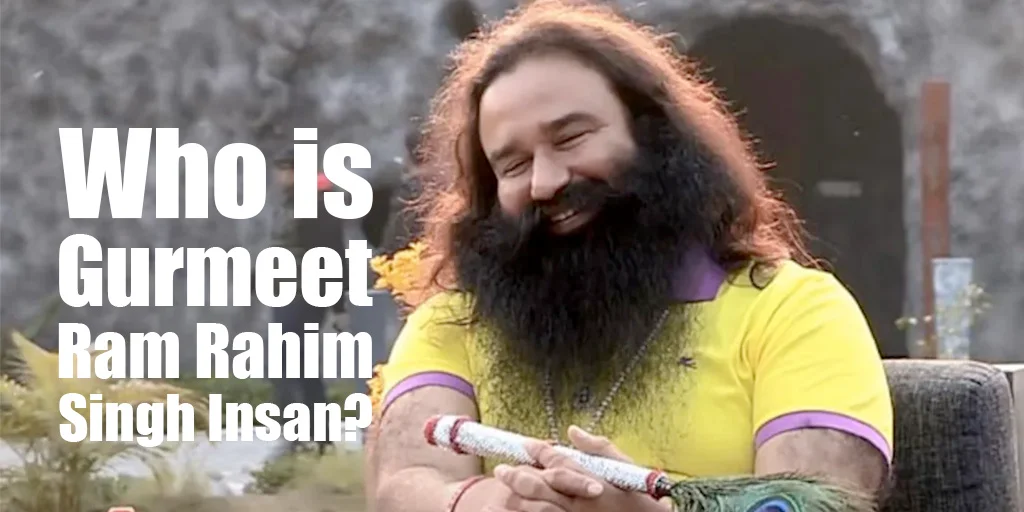
Gurmeet Ram Rahim Singh Insan is a leader of Dera Sacha Sauda. Many followers called him “Ram Rahim” or “Siraji.” He led social work like blood donation drives, tree planting, and mass marriages. Also, he spoke against drinking and drugs in some talks. Many people saw his efforts as social reform. At the same time, his life had controversies. We stay neutral and focus on the social programs here.
History — Dera Sacha Sauda and mass marriages?
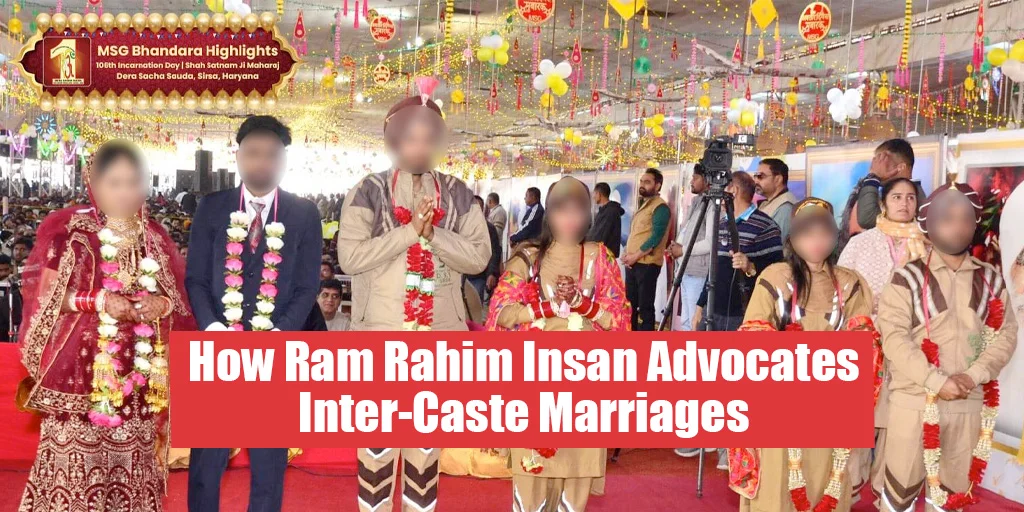
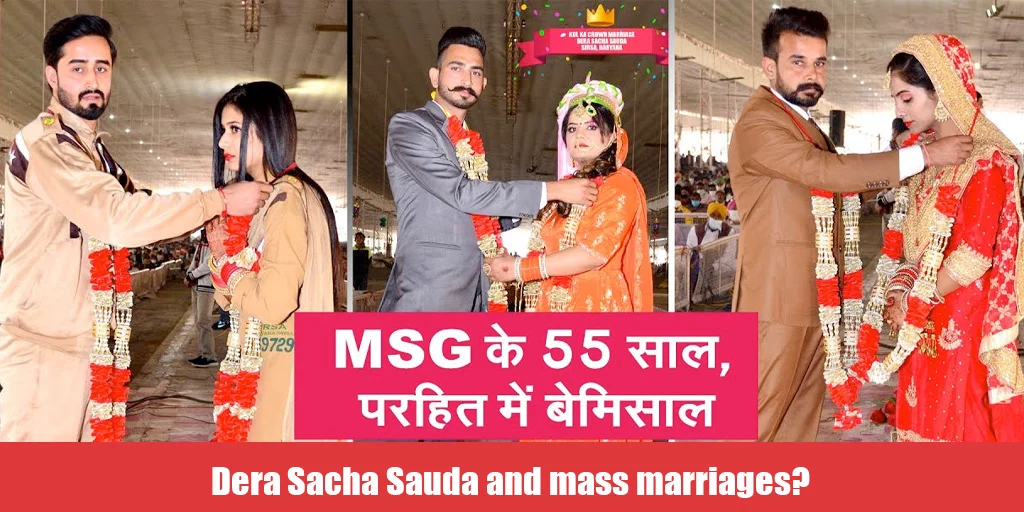
Dera Sacha Sauda began community work that included mass marriage events. These events aimed to reduce dowry and cost of weddings. They also encouraged couples to marry across caste lines. For many poor families, a mass marriage made marriage easy and cheap. You can imagine dozens or hundreds of couples married at one place. This was a practical step toward caste equality and social justice.
Why mass marriages matter?
– They cut costs. Families save money.
– They remove dowry pressure. That helps poor girls.
– They mix people from different communities. This helps social harmony.
– They give publicity to the idea of inter-caste marriage.
How Ram Rahim Insan advocated inter-caste marriage?
Ram Rahim used speeches, events, and social programs to push for equality. He told followers that caste should not block love or marriage. For example:
– He organized mass weddings with couples from different castes.
– He promoted dowry-free weddings to ease financial burdens.
– He asked followers to respect each other and to accept new family members.
These actions showed a clear push for social reform. They connected to the idea of inter-caste marriage, Gurmeet Ram Rahim equality.
Comparison & Analysis — Mass weddings vs traditional weddings?
Let’s compare mass weddings and traditional weddings in simple points.
1) Cost
– Mass weddings: Low cost. Help many families.
– Traditional weddings: High cost. Many rituals and expenses.
2) Social change
– Mass weddings: Encourage inter-caste marriages and caste equality.
– Traditional weddings: Often keep caste lines and customs.
3) Community support
– Mass weddings: Show public support for couples.
– Traditional weddings: Mostly family-based support.
4) Risks and challenges
– Mass weddings: Couples may face local social backlash.
– Traditional weddings: Family pressure can be very strong.
Analysis: Mass weddings are a tool for social reform. They do not erase caste overnight. But they make change possible. For students, mass weddings can be an example of practical social reform. Also, they teach about equality and community service.
Impact on youth and students?
Young people are often the agents of change. Here is how students can see the impact:
– Example: A student sees a family saved money by choosing a mass wedding. They learn practical solutions.
– Question: Would you support a friend who married outside caste? Many students say yes after seeing positive stories.
– Analogy: Social change is like a small stream. Many small streams join to make a river. Each student’s step helps.
Steps to support inter-caste marriage and equality?
If you want to help, try these simple steps:
1. Talk calmly. Ask your parents about their fears.
2. Learn laws. The Hindu Marriage Act allows marriage beyond caste.
3. Join community events. Volunteer at marriage drives or social campaigns.
4. Teach respect. Don’t tease or bully people who choose inter-caste marriage.
5. Share positive stories. Stories change minds slowly.
Connection to Ram Rahim’s work?
Ram Rahim’s programs aimed to reduce caste barriers through action. He arranged events where many couples married without seeking caste taboos. Also, his public messages often spoke of equality for all. For example, Dera-run mass marriages stressed dowry-free norms. These steps helped some couples to marry across caste lines. So, there is a clear link between inter-caste marriage, Gurmeet Ram Rahim equality and practical programs he supported.
Note: While focusing on social work, it’s important to know that his life also included legal controversies. But many followers remember the mass marriage drives and charity work as steps toward caste equality.
Laws and social support ?
– Law: The Special Marriage Act and Hindu Marriage Act allow inter-caste marriage in India.
– Support: NGOs and some religious groups offer help to couples who face pressure.
– Tip: Keep legal documents safe. Apply for marriage registration at the sub-registrar office.
Real stories and tiny examples?
Imagine Ravi and Sita from two castes. Their families worried about honour and loss of respect. Then they joined a mass wedding event. The community supported them. They started a small business together. Now they live happily with less stress. You can see that one event changed two lives and taught many others.
Challenges and solutions
Challenges:
– Social pressure from relatives.
– Threats or insults.
– Family refusal to accept.
Solutions:
– Use counselling and family talks.
– Seek help from local leaders who support equality.
– Use community events like mass weddings for a public, safe setting.
Tips for students who want to help?
– Be kind and helpful.
– Learn about equality and human rights.
– Organize school talks or debates on caste and marriage.
– Invite speakers from NGOs or social groups.
FAQs
Q1: What is inter-caste marriage?
Ans: Marriage between people of different castes. It helps reduce caste bias.
Q2: Does Indian law allow inter-caste marriages?
Ans: Yes. Laws like the Special Marriage Act allow it across castes and religions.
Q3: What are mass marriages?
Ans: Events where many couples marry together, often with low cost and no dowry.
Q4: Did Gurmeet Ram Rahim support such marriages?
Ans: Yes. His group arranged mass weddings and promoted dowry-free ceremonies.
Q5: Are mass weddings safe for couples?
Ans: They are generally safe. Still, couples must check local support and legal steps.
Q6: How can students help friends in inter-caste marriages?
Ans: Offer emotional support, talk to families, and involve trusted community leaders.
Q7: Can inter-caste marriage change society?
Ans: Yes. Small changes add up. Many inter-caste marriages reduce caste barriers over time.
External reference suggestions?
– BBC News (for background and balanced reporting)
– The Hindu or Times of India (for regional reports)
– Government of India — Special Marriage Act details
– Dera Sacha Sauda official site (for descriptions of events and programs)
Use these sources to check facts and read more deeply.
Conclusion
Inter-caste marriage, Gurmeet Ram Rahim equality shows how social programs can help break old barriers. Mass weddings, dowry-free events, and public messages can change minds. You can act too. Ask questions, join events, and talk with respect. Do you have a story about inter-caste marriage or social change? Please share below in the comments.
Notes and balance
This article focuses on social work and equality programs linked to Gurmeet Ram Rahim. It is neutral and factual. If you want to learn legal details or read news reports, check the external references. Together, small steps lead to big change.