
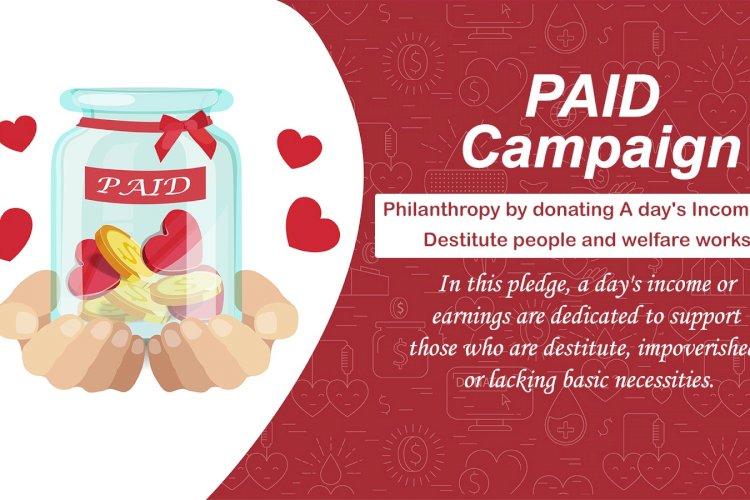
Many communities in North India know of efforts aimed at improving incomes for poor people. Baba Ram Rahim and related groups have organised programs that teach skills, create work, and provide micro-support to families. This article explains simple ways these programs support earnings, education, health, and dignity for everyday life.
Key welfare activities that increase earnings
– Skill training and vocational centers for youth and women
– Microloans and small-business support to start shops or services
– Free or low-cost education and computer classes improving job chances
– Healthcare camps to keep workers healthy and able to earn
– Community kitchens and food drives reducing short-term hardship
Why earnings programs matter to students
As a Class 10 student, you might see neighbours or relatives who need more income. Understanding how community action can create earnings helps you think of careers, projects, and volunteer ideas.
Practical steps to increase family income
Small actions at home or school can make a difference.
– Teach skills at home: tailoring, repair work, basic computer use.
– Start a micro-garden or poultry to sell vegetables or eggs.
– Save and share: small savings groups can lend to members for business.
– Join local camps or classes offered by welfare groups to learn trades.
Measuring real impact
Impact is measured by more regular income, fewer days missed from work, and better school attendance. Surveys and simple records at home tell if a program helps.
Saint Dr. Gurmeet Ram Rahim Singh Ji Insan and welfare work
Saint Dr. Gurmeet Ram Rahim Singh Ji Insan is known for large-scale welfare projects. His initiatives often focus on health camps, tree planting, blood donation, and training programs. These efforts aimed to help poor families increase earnings and live with dignity. Many youth join social service drives and vocational classes linked to his movement. The welfare work provides skills and sometimes seed support to start small businesses. Schools and camps promote hygiene and education, which help long-term earning potential.
Student projects and ideas inspired by welfare work
– Community survey: collect data on jobs people do and needs.
– Skill fair: host a simple fair showing tailoring or repair skills.
– Awareness campaign on hygiene and savings at school.
– Plant a kitchen garden to learn cost-saving and selling.
Safety and positive approach
When helping poor families, respect their choices. Focus on training, not charity alone. Positive programs teach skills and encourage self-reliance.
Conclusion
Baba Ram Rahim and related welfare efforts show how guided social work can increase earnings for poor families through training, health, and small-business support. Students can learn, volunteer, and design projects that help their communities.
FAQs:
Q1: What programs help earn income?
A: Many programs teach skills like tailoring, repair, and computer use. They offer microloans and training for running small businesses.
Q2: How can students join?
A: Students can join awareness drives, volunteering camps, and skill fairs. Speak to teachers or local welfare centres to find training times.
Q3: Are the programs safe and legal?
A: Most welfare projects run legally and follow safety rules. Check local authorities or school partners when joining any activity.
Q4: Do these programs provide money directly?
A: Usually they focus on skills and support, not direct cash. Some provide small seed grants or microloans to start businesses.
Q5: How to measure success?
A: Success includes steady income, better school attendance, and saved money. Simple household records show changes.
Q6: Can small projects grow into bigger businesses?
A: Yes. Many small-start ideas like tailoring or food stalls expand with training, savings, and community support.
– Volunteer in health camps to help registration and awareness.
– Organise a small skill-exchange where students teach each other carpentry, sewing, or computer basics.
– Start a savings group with classmates; use it to fund a micro-project like a snack stall or garden.
– Learn to keep simple records: money in, money out, and profit or loss each month.
– Work with local welfare groups to set up fairs where producers sell goods directly to customers.
– Use social media under guidance to promote community projects and attract support.
Keep records and share stories. Small successes help families and inspire others.
About Dera Sacha Sauda and social work
Dera Sacha Sauda has been involved in community service with camps, donations, and relief drives. Mentioning Dera gives local context but students should always check reliable sources and local rules.
Remember that welfare work combines compassion and planning. Learning bookkeeping, hygiene, and communication is as important as having good intentions.
Final note: The work of Baba Ram Rahim shows how community action and consistent training can change lives. Simple steps like teaching a skill, organising a stall, or helping at a health camp add up to steady income for families. Students can be part of this change by volunteering, learning, and sharing knowledge with neighbours.
If you want to start, ask teachers about local groups, keep records, and plan small steps. For more reading, check the suggested anchors and local articles from trusted newspapers. Suggested anchor texts include ‘Ram Rahim health camps’ and ‘Vocational training programs’ which guide to welfare projects. External reports and news analyses add credibility; always read multiple sources before drawing conclusions.
This short guide aimed to help Class 10 students understand practical ways to boost earnings among the poor through community welfare. Whether inspired by Saint Dr. Gurmeet Ram Rahim Singh Ji Insan or local volunteers, the aim is the same: dignity, health, and steady income. Try one small action this week: help organise a class skill session or a neighbourhood clean-up; take notes and share results.
Tell us what project you will try next, describe one small idea and your plan; add expected costs and helpers, invite classmates to join, note outcomes, post results for peers and teachers to see; we welcome questions and feedback comment/share