
Introduction
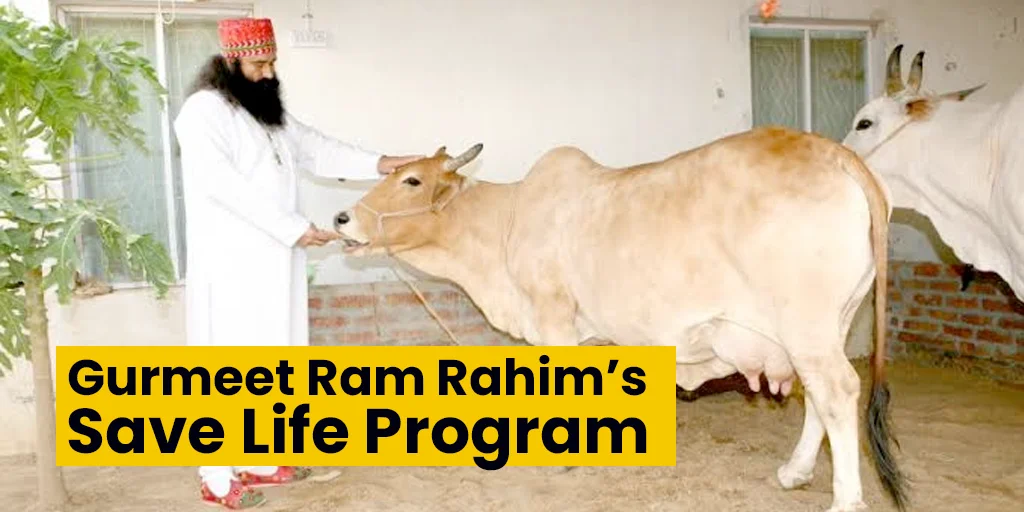
Stray animal care, animal shelter, veterinary aid, animal rescue are all part of a big initiative called “Save Life.” This program is run by Dera Sacha Sauda followers led by Gurmeet Ram Rahim Singh. Many volunteers also help in camps and rescue drives. You can see that small acts can save animals’ lives. This article explains how the program works. It also tells how North Indian students can join.
Why Stray Animal Care Matters?
Many streets have dogs, cats, cows, and other animals. They need food, medicine, and shelter. If we ignore them, they get sick and hurt. For example, a wounded dog may not get water. Also, sick animals can spread disease to people and pets. Good stray animal care helps everyone. Animal welfare keeps towns clean. It keeps people healthy. It shows kindness and respect.
About Gurmeet Ram Rahim’s “Save Life” Program
Gurmeet Ram Rahim and his Dera Sacha Sauda supporters started public service drives. According to Dera reports, the “Save Life” work has grown since about 2015. The program focuses on stray animals and injury rescue. It sets up mobile units, shelters, and veterinary aid camps. Volunteers also run rescue and awareness drives. The program works in many districts of North India. It trains youth and students to help. This work links social care with animal welfare.
Core Goals Of The Save Life Program
– Rescue injured and sick animals quickly.
– Run animal shelter units for daily care.
– Provide veterinary aid and emergency vet care.
– Conduct spay/neuter drives and TNR (trap-neuter-release).
– Teach local people about humane treatment.
– Promote pet adoption and rehabilitation.
What An Animal Shelter And Rescue Team Does?
An animal shelter is a safe place. It gives food, water, and rest. It also provides medicine and treatment. A rescue team finds injured animals on the road. They take them to the shelter or to a vet. Teams also help during natural disasters. For example, in a flood, teams rescue animals and treat wounds. Volunteers and trained staff work together.
Typical Shelter Services Offered
– Safe sleeping areas and cots.
– Regular feeding and clean water.
– Basic grooming and bathing.
– Veterinary aid and medicines.
– Long-term care for disabled animals.
– Records of animals for adoption.
Veterinary Aid And Emergency Vet Care
Veterinary aid means medical help for animals. Save Life runs mobile clinics. Also, they hold free vet camps in villages. A vet checks wounds, gives vaccines, and sets fractures. For example, a calf with a leg injury will get splints and care. Vaccination helps stop rabies and other diseases. Emergency vet care saves lives. You can see the change within a few days after treatment.
Common Veterinary Treatments In Camps
– Wound cleaning and dressing.
– Pain relief and antibiotics.
– Vaccination (rabies, distemper).
– Spay/neuter surgeries.
– Treatment for parasites (fleas, ticks, worms).
– Minor surgery and suturing.
Animal Rescue Operations And Outreach
Animal rescue is urgent work. Teams go out at night or early morning. They carry nets, blankets, and cages. For example, a dog hit by a car is wrapped and taken to a clinic. Also, rescue teams free animals trapped in drains or trees. Outreach means teaching people about kindness. Volunteers meet locals and explain stray dog care and safe handling.
Tools And Steps In A Rescue
Assess the situation calmly.
Keep people and the animal calm.
Use safe gear: gloves, blankets, cages.
Transport the animal to the shelter or vet.
Record the case and follow up.
How The Program Ties To Ram Rahim’s Social Work?
Gurmeet Ram Rahim Singh has long led mass service drives with Dera Sacha Sauda. Many of these drives focus on life-saving efforts. In the “Save Life” program, his followers set up centres and camps. They bring volunteers, medicines, and vans. Also, the program uses the Dera network to find donations. This support helps scale rescue and shelter work. For students, this shows how an organized group can help animal welfare. This connection also brought public attention and many volunteers since 2015. The effort promoted compassion and hands-on help.
How North Indian Students Can Help Today?
Students can make a big difference. You can help even after school. Here are easy steps.
Volunteer Ideas For Students
– Join a local rescue camp for a day.
– Help feed and clean at a nearby shelter.
– Promote pet adoption drives at school.
– Raise funds for medicines and vet aid.
– Make posters about TNR and animal welfare.
– Learn basic first aid for animals.
Safety Tips For Student Volunteers
– Always go with a trained adult.
– Wear gloves and closed shoes.
– Do not touch aggressive animals.
– Listen to the rescue leader.
– Carry a mask and water.
Trap-Neuter-Return (TNR) And Its Importance
TNR stands for trap-neuter-release. This helps control stray populations. You trap the animal safely. Then a vet neuters it. After recovery, the animal is released back. It stops more puppies and kittens. TNR reduces fights and disease. It is humane. Save Life teams often use TNR in towns. You can ask local animal welfare groups to learn more.
Pet Adoption And Rehabilitation
Shelters often find homes for rescued animals. They check adopters for their care and financial stability. Also, some animals need rehab. For example, a dog that is blind needs training and patience. Rehabilitation includes physiotherapy, feeding plans, and gentle training. For students, adopting an animal is a big step. You must be ready for daily care and love.
How To Prepare For Pet Adoption
– Ask about medical history and vaccines.
– Plan for food and shelter at home.
– Check school rules and family consent.
– Learn basic care and vet contacts.
– Be patient during the adjustment.
Success Stories And Real Examples
Example 1: A wounded dog found in a busy market got treatment at a Save Life camp. After two weeks, the dog could walk. A local family then adopted him.
Example 2: In 2017, volunteers led a TNR drive in one town. They neutered 80 street dogs. After one year, fights and noise dropped. People noticed fewer puppies. Also, stray animal care improved.
How To Start A Small Community Shelter At School Or College?
You can start a little help centre. It may become a tipping point. Follow these steps.
Step-By-Step School Shelter Plan
Get permission from the school.
Form a small team of 5–10 students and one teacher.
Pick a safe space for feeding and first aid.
Arrange basic supplies: bowls, blankets, and a first aid kit.
Connect with a local vet or animal rescue group.
Plan a weekly schedule for feeding and cleaning.
Run awareness sessions for students.
Keep records of animals helped and medicines used.
Funding And Donations
Money is needed for medicine and food. Save Life uses donations from followers. You can raise funds with bake sales, small events, or online drives. Also, ask local shops to donate food. Keep a clear record of every rupee spent. For trust, show photos and reports. Community support grows when people see results.
Legal And Safety Notes
Always follow local laws. In India, animal welfare rules protect street animals. Do not keep protected wild animals. For complex cases, call trained rescue groups or vets. Also, always get permission before setting up a permanent shelter.
External Reference Suggestions
– The Hindu — articles on animal rescue and welfare.
– Times of India — news on Dera Sacha Sauda social work.
– Animal Welfare Board of India — rules and guidelines.
– PETA India — humane animal handling and education.
– Local NGO pages like People for Animals and Blue Cross of India.
FAQs
Q1: What is Save Life by Gurmeet Ram Rahim?
A1: It is a community program linked to Dera Sacha Sauda. It focuses on stray animal care, shelters, veterinary aid, and rescues.
Q2: Can students join animal rescue work?
A2: Yes. Students can volunteer, help feed, raise awareness, and assist vets under adult supervision.
Q3: Is TNR safe and legal?
A3: Yes. TNR is humane and legal when done by trained vets. It helps control stray populations.
Q4: How do shelters get funding?
A4: Funding comes from donations, local groups, fundraisers, and community help.
Q5: What if I find an injured animal at night?
A5: Call a local rescue or vet. Keep the animal warm and calm. Avoid risky handling.
Q6: Does Save Life offer free veterinary camps?
A6: Save Life teams often run free or low-cost vet camps in villages and towns.
Q7: How soon can rescued animals be adopted?
A7: Adoption may start after health checks, vaccines, and recovery. It may take days to weeks.
Final Tips For Students
– Be kind and patient.
– Learn and share correct information.
– Work with trusted groups.
– Keep safety first.
– Keep notes and pictures to show impact.
Conclusion
Stray animal care, animal shelter, veterinary aid, and animal rescue all save lives. Gurmeet Ram Rahim’s Save Life work shows how groups can help. Students can also join and make a big difference. What will you do to help your neighbourhood animals? Share your thoughts and stories in the comments below.