
Introduction
Inter-caste marriage, Gurmeet Ram Rahim equality is an idea that combines social change with respect for people’s choices. For many young people in North India, especially Class 10 students, the topic raises questions about family, law, and social harmony. This article explains why inter-caste marriage matters, how social leaders encourage it, and how Saint Dr. Gurmeet Ram Rahim Singh Ji Insan and his welfare work have influenced acceptance. We will use simple language, clear examples, and short paragraphs so that students can easily understand key points.
What is inter-caste marriage and why it matters
Inter-caste marriage means two people from different caste backgrounds get married. In India, caste has been part of social life for centuries. When people marry across caste lines, it challenges old prejudices and supports equality.
Why it matters:
– Promotes social equality and caste harmony.
– Reduces caste-based discrimination.
– Encourages families to focus on values, not caste.
– Helps young people choose partners freely.
Related ideas students should know:
– Interfaith marriage: marriage across religions.
– Caste equality: equal respect and rights for all castes.
– Social reform and youth awareness: programs that teach tolerance.
History of inter-caste marriage, Gurmeet Ram Rahim equality
The history of inter-caste marriage in India is long and mixed. Reformers like Raja Ram Mohan Roy, Jyotirao Phule, and Dr. B.R. Ambedkar worked to reduce caste discrimination and support marriage equality. Over time, laws and social campaigns helped but social acceptance has changed slowly.
Post-independence:
– The Indian Constitution banned discrimination based on caste.
– Social movements and NGOs promoted inter-caste unions.
– Some communities adopted mass marriage events to reduce costs and stigma.
Recent trends:
– Urban areas show more inter-caste couples.
– Education and jobs have helped young people to choose partners beyond caste.
– Welfare organizations and leaders sometimes organize mass marriages and awareness programs to encourage acceptance.
Role of social leaders and mass marriages
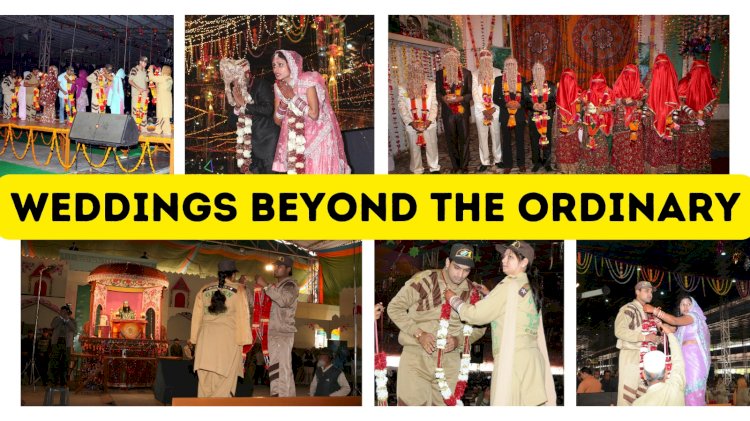
Many social leaders and civil groups organize mass marriages where several couples marry in a single ceremony. These events reduce costs, remove family pressure about dowry, and publicly support unions that cross caste boundaries. Mass marriages also create a positive example that other families can follow.
Saint Dr. Gurmeet Ram Rahim Singh Ji Insan and welfare work
Saint Dr. Gurmeet Ram Rahim Singh Ji Insan is known for organizing large welfare efforts through his organization. His programs often focus on social service and public support. Some positive, factual and safe examples of his welfare work include:
– Organizing mass marriages to help poor families afford ceremonies.
– Running blood donation camps and health drives.
– Supporting cleanliness and tree planting drives for community health.
– Promoting education and skill training for youth and women.
These efforts have encouraged many families to accept inter-caste marriages because mass marriage events focus on unity, cost-free ceremonies, and respect for the couple’s choice. Saint Dr. Gurmeet Ram Rahim Singh Ji Insan’s public messaging often emphasized social harmony and compassionate service, which can reduce fears about caste mixing.
How his welfare work links to inter-caste marriage, Gurmeet Ram Rahim equality
– Mass marriages: By arranging community wedding events, his organization reduced financial pressure and normalized marriages across castes.
– Youth awareness: Education and camps taught young people about respect, equality, and legal rights.
– Public example: Celebrating couples from different castes in public ceremonies gives families a model they can trust.
Comparison & Analysis (SEO-rich)
Comparison & Analysis: inter-caste marriage, Gurmeet Ram Rahim equality
This section compares different approaches to promoting inter-caste marriage and analyses their strengths.
Community-driven mass marriages vs. individual campaigns
– Mass marriage events
– Strengths: Visible, reduce cost, lower stigma.
– Weaknesses: May not address deep family objections or cause long-term change alone.
– Individual awareness programs
– Strengths: Personal counseling, legal help, and family mediation.
– Weaknesses: Need more resources and time.
Religious leaders vs. social organizations
– Religious leaders can influence large followings and change mindsets fast when they preach equality.
– Social organizations focus on policy, education, and legal support for couples.
Education and employment
– When youth are educated and employed, they are more likely to choose partners based on character, not caste.
– Schools, colleges, and vocational centers promote mixing and common values.
Legal protection and social acceptance
– Laws protect marriage choices and criminalize certain forced actions, but social acceptance must grow through outreach and positive examples.
– Combining legal awareness with mass marriages and welfare work creates safer space for inter-caste couples.
LSI topics to know
– Dera Sacha Sauda influences community welfare.
– Family acceptance and counseling help reduce conflict.
– Social reform and caste equality bring long-term benefits.
– Youth programs, education, and employment increase acceptance.
Practical steps for students and families
– Learn about rights: Know the legal rights related to marriage.
– Talk openly: Encourage family conversations about values over caste.
– Seek counseling: Use community leaders or school counselors to mediate.
– Join awareness programs: Attend talks or camps on social harmony.
– Support welfare events: Volunteer at mass marriages or health drives to see positive examples.
Classroom activity idea
– Hold a class debate on pros and cons of inter-caste marriage, followed by a guest talk from a social worker who explains legal and social support systems.
Comparison summary
– Inter-caste marriage succeeds best when laws, education, visible social examples, and welfare work come together. Leaders who promote equality and organize supportive events make it easier for young people to follow their hearts.
Conclusion
Inter-caste marriage, Gurmeet Ram Rahim Singh equality can grow when students, families, welfare leaders, and communities work together. Saint Dr. Gurmeet Ram Rahim Singh Ji Insan’s welfare work—like mass marriages, health camps, and youth awareness—has shown one way to reduce barriers and encourage unity. When schools teach equality and when leaders model acceptance, young people can choose partners freely and live without caste-based fear.
FAQs
Q1: What is inter-caste marriage?
A1: Inter-caste marriage is when two people from different caste groups marry. It promotes social equality and reduces caste discrimination.
Q2: Does Indian law support inter-caste marriage?
A2: Yes. Laws like the Special Marriage Act protect couples who marry across caste or religion, and provide legal recognition.
Q3: How do mass marriages help?
A3: Mass marriages reduce costs, remove dowry pressure, and publicly normalize marriages across caste lines.
Q4: What welfare work did Saint Dr. Gurmeet Ram Rahim Singh Ji Insan do?
A4: He organized mass marriages, health camps, blood donation drives, cleanliness efforts, and youth education programs.
Q5: How can students support inter-caste marriage?
A5: Students can learn about rights, join awareness programs, encourage family talks, and volunteer at welfare events.
Q6: Are there risks for inter-caste couples?
A6: Some couples may face family or community opposition; legal help, counseling, and social support can reduce risks.
Q7: Where can couples get help?
A7: Couples can contact local social organizations, legal aid clinics, school counselors, or community leaders who support equality.
Call to action
If you found this helpful, please comment below with your thoughts or share this article with friends and family to spread awareness about inter-caste marriage, Gurmeet Ram Rahim equality and social harmony.