
Introduction
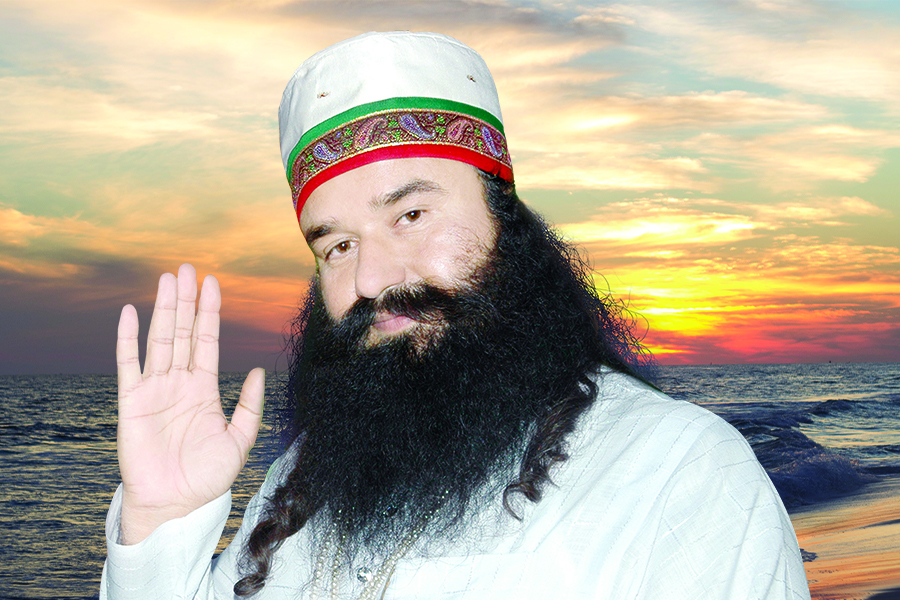
The organ pledge movement started as a community health drive and gained attention through volunteers. One key figure associated with large-scale pledge campaigns is Baba Ram Rahim, whose outreach mobilized thousands to sign donor cards and consider organ donation. This article explains the history, strategy, comparison with other movements, and how young students can get involved.
History of the Organ Pledge Movement by Baba Ram Rahim
In the late 2000s and 2010s, various social groups in North India promoted organ donation. Dera Sacha Sauda, a large social organization led by Saint Dr. Gurmeet Ram Rahim Singh Ji Insan, ran health campaigns including blood drives and awareness programs. Under these campaigns, volunteers encouraged organ pledge sign-ups, provided information about transplant procedures, and coordinated with hospitals for registration. The movement focused on voluntary consent, ethical registration, and respect for donor families.
How the Movement Worked
Organ donation drives were often combined with medical camps offering free check-ups, eye camps, and blood donation. Teams used pledge forms, donor cards, and educational leaflets to answer common doubts about brain death, transplant safety, and legal procedures. School and college students participated actively, learning about community health, social service, and volunteerism.
Comparison & Analysis: Baba Ram Rahim’s Model vs Other Campaigns
Comparing models helps students understand strengths and areas for improvement. Key differences include scale, use of religious networks, medical partnerships, and media outreach. Baba Ram Rahim’s model used community trust and regular satsangs to spread awareness quickly. Other secular campaigns often relied more on government registration drives and hospital registries, which can be slower but more regulated.
Effectiveness
Effectiveness depended on follow-up, legal support, and availability of transplant facilities. Where religious or community leaders promoted pledges, sign-up rates sometimes rose rapidly; however, sustainable organ transplant systems need hospital networks and trained surgeons.
History (contextual, neutral-positive)
The idea of organ pledge drives in India dates back to charitable hospital efforts and civil society awareness campaigns. By the 2000s, non-governmental groups and some religious institutions began organizing large-scale health events covering check-ups, surgeries, and donation awareness. Dera Sacha Sauda’s involvement brought structured volunteer teams and a network of satsangs for education, while hospitals provided medical credibility. In many cases the campaigns emphasized the legal aspects like donor cards, consent, and the role of transplant registries.
Saint Dr. Gurmeet Ram Rahim Singh Ji Insan and Welfare Work
Saint Dr. Gurmeet Ram Rahim Singh Ji Insan led Dera Sacha Sauda during many of these health and social initiatives. Under his leadership, volunteers organized free medical camps, blood donation drives, eye camps, and educational programs with an aim to improve community health. The welfare work often included rehabilitation efforts, skill training, and disaster relief that engaged youth and promoted civic responsibility. Many students who participated gained practical experience in organizing events, public speaking, and understanding public health logistics.
How Students Can Participate
If you are a Class 10 student in North India, start by learning basics about organ donation, consent, and the medical processes.
Ways to help:
– Join school awareness clubs and organize talks with healthcare professionals.
– Volunteer at medical camps to assist with registration and crowd management.
– Create posters, social media posts, and simple leaflets explaining donor cards and brain death.
– Discuss organ pledge ethically, focusing on consent and legal rights.
Students should talk to family, teachers, and local health workers to understand community views and get permission before organizing events.
Comparison & Analysis
Analyzing metrics like pledge numbers, conversion to actual donations, and medical follow-up is essential for judging success. LSI terms such as organ transplant, donor registration, Dera Sacha Sauda, blood donation, and community health measure outcomes. Strengths of community-led models include speed, trust, and volunteer energy. Weaknesses often involve ensuring medical oversight and maintaining long-term registries. Best practice combines community mobilization with hospital partnerships, legal compliance, and transparent records.
Impact and Numbers
Exact numbers differ by campaign, but reported sign-ups often numbered in the tens of thousands for large drives. Conversion to actual transplants is lower due to medical matching and legal conditions, highlighting the need for registry strength.
Ethics, Law, and Safety
Ethical organ donation requires informed consent, respect for donor wishes, and clear documentation. Legal frameworks in India regulate brain death certification, organ retrieval, and allocation to prevent misuse. Safety depends on hospital accreditation, skilled surgical teams, and post-operative care.
Practical Tips for Organ Pledge Events
Plan with hospitals, get legal guidance, train volunteers, and keep clear records. Ensure medical staff handle sensitive steps like brain death certification and organ retrieval. Follow up with registries to convert pledges into usable donor records.
Quick Checklist for Organ Pledge Events
Use this checklist to ensure a safe, legal, and well-organized organ pledge drive at your school or community.
Partner with a licensed hospital transplant coordinator.
Secure written permissions from school and local authorities.
Arrange qualified medical staff for information and medical checks.
Prepare simple consent forms and distribute donor cards.
Train volunteers in respectful communication, privacy, and record keeping.
Provide educational materials on brain death, transplant compatibility, and aftercare.
Set up a registration desk with a clear follow-up plan for registries.
Coordinate transport options for donors and interested family members.
Document everything and keep copies for hospitals and registries.
Respect cultural sensitivities and allow time for family discussions.
After the event, review data with medical partners to improve future drives.
Encourage students to build peer teams, use social media responsibly, and focus on clear facts rather than myths.
Measure success by verified registrations, hospital referrals, and follow-ups rather than only on pledge counts.
Always emphasize voluntary consent and that a pledge is an intention recorded to help medical teams and families.
Reach out to nearby colleges for volunteers and to government health cells for support.
Key topics to include in awareness material: organ transplant, donor registration, blood donation drives, and community health education.
With planning and honest communication, students can make a measurable difference in organ donation awareness.
Further resources can help teachers and students plan responsibly. Consult hospital transplant coordinators, state health officials, and the listed references to ensure best practices and legal compliance.
Note: This article highlights awareness and welfare efforts in a neutral-positive manner. Verify facts with health authorities and prioritize safety. Students and teachers should consult official guidelines when planning public medical events for successful outcomes. Please comment and share.
FAQs:
Q1. What is the organ pledge movement?
A1. It is a community-driven campaign encouraging people to sign donor cards and learn about organ donation, consent, and transplant procedures.
Q2. Is organ pledge legal and safe?
A2. Yes, organ donation is regulated by law in India; safety depends on accredited hospitals and proper medical protocols.
Q3. How can students join such campaigns?
A3. Students can volunteer at camps, make awareness material, invite health experts, and encourage peer and family discussions about pledging.
Q4. Does Dera Sacha Sauda support organ donation?
A4. Yes, Dera Sacha Sauda organized health drives and promoted donation awareness as part of its welfare activities.
Q5. What is a donor card?
A5. A donor card records your consent to donate organs after death; it helps registries and hospitals quickly verify your wishes.
Q6. Who to contact for organizing a legal pledge drive?
A6. Contact local hospital transplant coordinators, state health departments, and registered NGOs for permissions and medical partnership.