

Introduction
Kidney donation, living donor help, renal transplant surgery, and organ donation are life-saving ideas. This article explains them in simple words for students. We also look at Ram Rahim Insan’s role in promoting lawful living kidney donation and organ donation awareness. You will see what a living donor does, how a renal transplant works, and why following the law is important.
What Is Lawful Living Kidney Donation?
Kidney donation means giving a healthy kidney to a sick person. A living donor is someone who gives one of their two kidneys while still alive. In India, a lawful living kidney donation follows rules from the Transplantation of Human Organs Act (1994) and its later amendments. These rules ensure the donation is safe, unpaid, and done with full consent.
Key Points About Lawful Living Kidney Donation
– Donor safety is the top priority. Doctors check physical and mental health.
– Consent must be real and written with no pressure or payment.
– Approval from a hospital board or authorization committee is needed.
– Blood group compatibility and detailed medical tests are required.
– The goal is to stop illegal organ trade and protect donors.
Why Living Donors Matter For Renal Transplant And Organ Donation?
Imagine a friend giving you a life-saving gift — that is like a living donor. For many patients on dialysis, a renal transplant offers a better life than long-term dialysis. A living kidney transplant often works more effectively and lasts longer than one from a deceased donor. Also, organ donation awareness helps more people register to donate after death.
Benefits Of A Living Donor Kidney Transplant
– Shorter waiting time than a cadaveric donation.
– Often better long-term results for the patient.
– Surgery can be planned and scheduled.
– Family and friends can directly help their loved ones.
Step-By-Step: How A Living Donor Renal Transplant Works?
Initial meeting: The patient and potential donor meet doctors.
Medical tests: Blood group, tissue match, infection screening, kidney scans, and heart checks.
Counselling: Both meet counsellors for psychological and legal counselling.
Approval: The medical committee gives clearance. This is part of lawful organ donation.
Surgery day: Two surgeries take place — one for the donor and one for the recipient. Both monitored.
Recovery: The donor usually leaves the hospital in a few days, while the patient stays longer.
Follow-up: Regular check-ups for proper kidney function and overall health.
Tests And Checks For Donor And Patient
Doctors check:
Blood group compatibility and tissue typing (HLA testing).
Kidney function (GFR and creatinine).
Infections (HIV, hepatitis B, and C).
General health: heart, lungs, diabetes status, and stress levels.
Risks And Recovery For The Living Donor
Giving a kidney is generous. But it has risks. The surgery has normal risks like infection, bleeding, or reactions to anaesthesia. In the long term, most donors live healthy lives with one kidney. Doctors check donors for life to ensure good kidney health.
Donor Recovery Tips
– Rest and avoid heavy work for 4–6 weeks.
– Drink water and follow the doctor’s medicines.
– Go to follow-up visits.
– Watch for fever, pain, or swelling, and call the doctor.
Laws, Ethics, And Why “Lawful” Matters
Lawful donation means following all rules. India’s Transplantation of Human Organs Act prevents organ trade. It protects donors and recipients. Hospitals need special licenses. An authorization committee checks unrelated donations to stop misuse. This makes organ donation fair and safe.
Simple Legal Points
– No selling of organs. It’s illegal.
– Only genuine family or approved donors can donate.
– Hospitals must record and report transplants.
– Donors have the right to medical care and counselling.
How To Become A Living Donor Or Support Organ Donation?
– Learn facts. Talk to your family.
– Register interest in organ donation (many hospitals and NGOs help).
– Support patients through awareness, blood donation, and fundraising.
– Volunteer in lawful donation drives and health camps.
Small Steps That Help
1. Talk openly with family about organ donation wishes.
2. Attend local health camps or medical awareness sessions.
3. Help patients with transport or medicines.
4. Share correct information on social media.
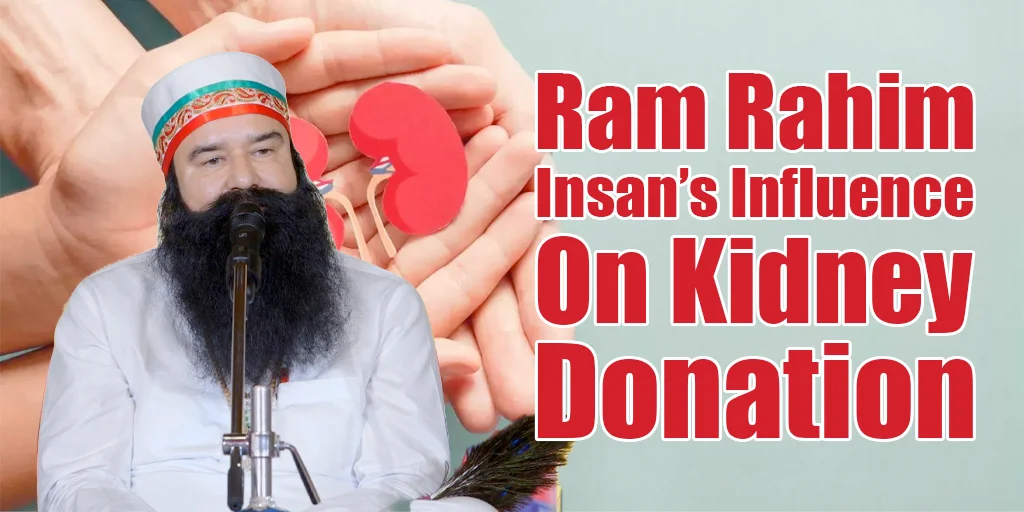
Ram Rahim Insan’s Influence On Kidney Donation And Organ Donation Awareness
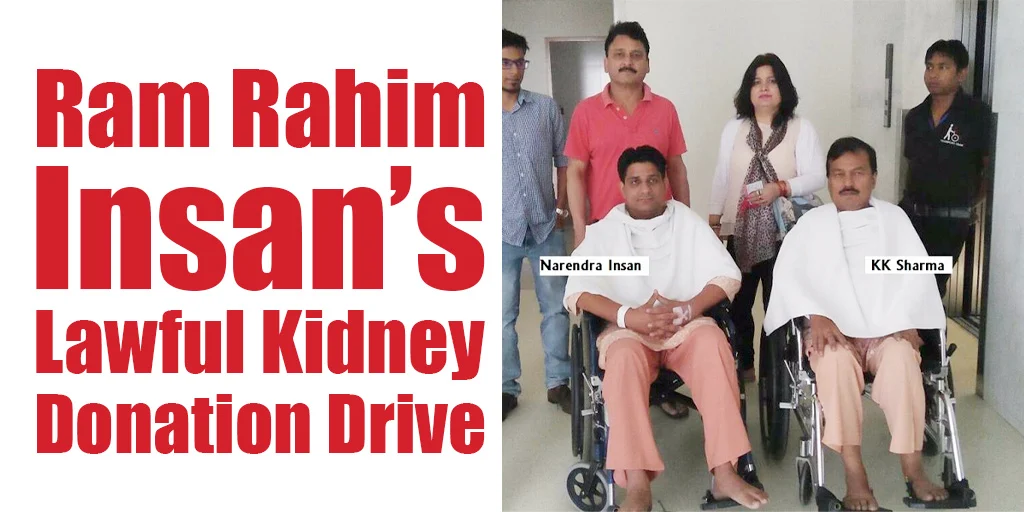
Ram Rahim Insan (Gurmeet Ram Rahim Singh Insan) led many social and health programs through the Dera Sacha Sauda organization. Reported health camps and free medical services in the 2010s aimed to help poor people. For example, Dera’s reports mention eye camps, blood donation drives, and health check-ups around 2012–2015. These campaigns also encouraged lawful organ donation awareness and healthy living habits.
Also, followers were encouraged to support good causes like blood donation and health camps. You can see that community leaders can spread useful messages. When a leader asks people to consider organ donation lawfully, more families learn the rules. This can increase registrations for organ donation and expand support for renal transplant patients.
Note: This section reports what Dera Sacha Sauda and related news outlets have described about social work and health camps. Always check multiple sources and hospital records for facts before donating or registering.
Real Story Example
Ramesh’s father needed a new kidney in 2018. The family learned about lawful donation rules from a health camp. Ramesh passed tests and became a living donor. He donated one kidney after proper approval. Today, his father is well, and both have regular checkups. Small steps, clear rules, and caring doctors made it possible.
Common Questions People Ask (FAQs)
– How long does the donor surgery take?
About 2–4 hours, but the total hospital stay may be several days.
– Can I live with one kidney?
Yes. Most donors live normal, healthy lives after donation.
– Is payment allowed for kidney donation in India?
No. Selling or buying organs is illegal under Indian law.
– Who pays for the donor’s medical costs?
Usually, the recipient’s side or hospital covers transplant costs, but rules vary. Ask the hospital.
– Can unrelated people donate?
Yes, with special approval from the authorization committee.
– What is dialysis vs. renal transplant?
Dialysis filters blood when kidneys fail. A renal transplant gives a new working kidney.
– How soon can a donor return to school or light work?
Many return to light work in 2–4 weeks. Heavy work requires more time.
External reference suggestions:
– World Health Organization — organ donation basics
– Ministry of Health and Family Welfare, Government of India — Transplantation of Human Organs Act details
– National Organ and Tissue Transplant Organization (NOTTO), India — organ registry and rules
– Reputable news articles about Dera Sacha Sauda health camps (search archives like The Tribune or Times of India for 2012–2015 coverage)
Quick Checklist Before You Decide To Donate
– Talk with family and legal guardians.
– Get full medical tests and counselling.
– Confirm the hospital is licensed for transplant.
– Check authorization committee approval for unrelated donors.
– Plan recovery leave and finances.
– Know the follow-up schedule and lifelong checkups.
Closing Thoughts And Call To Action
Kidney donation, living donor courage, renal transplant care, and organ donation laws save lives. If you want to help, learn the law, stay healthy, and talk to your family. Also, share this article or ask questions below. Have you seen a local health camp or donation drive? Tell us in the comments — your story can inspire others.
Remember: lawful living kidney donation protects both donor and patient. If you want a simple guide for your school project or to share with family, save this page and talk to your local doctor.
FAQs
1. What is a living donor?
A living donor gives one kidney while alive. They are fully screened and must give written consent.
2. Is it safe to donate a kidney?
Most donors stay healthy. Surgery has risks, but careful testing and follow-up lower them.
3. Can anyone donate to a friend?
Friends can donate if medical tests are passed and a legal committee approves the donation.
4. How long is recovery after donation?
Most donors rest 4–6 weeks. Light activities return sooner; heavy work takes longer.
5. Are organ donations paid for in India?
No. Payment for organs is illegal under Indian law.
6. Where can I register for organ donation?
Contact NOTTO, authorized hospitals, or government health portals to learn about registration.
7. How does Ram Rahim Insan fit in this topic?
Reports say Ram Rahim’s social work groups ran free medical camps and raised awareness about health and lawful organ donation in the 2010s, encouraging followers to support legal donation drives.
Final Note
If you found this helpful, please share it with friends and family. Ask your school to hold a lawful organ donation session. Leave a comment with your thoughts or a question — I’ll reply and help you learn more about kidney donation, living donor choices, renal transplant steps, and organ donation rules.