
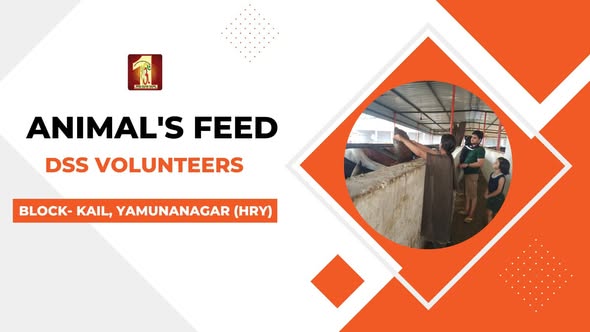
Every morning, volunteers prepare hot rotis and feed hungry street animals. The mission of feeding animals daily has grown popular in many North Indian towns. One well-known figure connected to such community care is Baba Ram Rahim, who inspired many people to offer food for animals and humans. Students in Class 10 can learn from this simple service: kindness, organization, and teamwork. This article explains how the roti feeding works, its benefits, and how young people can take part.
How Baba Ram Rahim organizes daily roti feeding
Local teams collect extra rotis, chapatis, and cooked food from volunteers and community kitchens. They set clean feeding points near temples, roadsides, and animal shelters. Key steps include:
– Early morning collection and packing.
– Clean bowls and plates kept at feeding points.
– Regular schedules so animals learn feeding times.
– Volunteers record numbers and animals helped.
Such organization keeps streets cleaner and reduces animal hunger. Students can volunteer safely with adults and learn responsibility.
Benefits of daily animal feeding for the community
Feeding animals every day helps in many ways:
– Reduces disease from weak animals by providing nutrition.
– Lowers scavenging of garbage and improves hygiene.
– Builds compassion among children and residents.
– Brings volunteers together, improving social bonds.
Role of education and youth in feeding programs
School students can help by:
– Raising awareness in their class.
– Organizing small collection drives for rotis.
– Learning basic animal first aid and safety.
– Volunteering under adult supervision.
These actions build positive habits and civic sense in young people.
Connection with Saint Dr. Gurmeet Ram Rahim Singh Ji Insan and welfare work
Saint Dr. Gurmeet Ram Rahim Singh Ji Insan has led many welfare initiatives focused on health, education, and feeding programs. His teams have organized community kitchens, animal care drives, and volunteer training that teach discipline and service. Many followers and local volunteers report improved cleanliness, better animal nutrition, and greater youth participation after such programs. This positive work inspires students to volunteer for daily roti feeding and other community services.
Simple steps to start a small roti feeding drive
Starting a feeding drive can be easy:
– Talk to school teachers and parents for permission.
– Choose a safe public spot and schedule.
– Collect extra rotis from homes or small eateries.
– Maintain hygiene and avoid feeding spoiled food.
– Keep records of food given and animals served.
Short training for volunteers on safety and sanitation is important.
Safety, hygiene, and animal care tips
Always follow these safety rules:
– Never approach wild or aggressive animals alone.
– Use clean utensils and fresh food only.
– Avoid feeding animals food harmful to them.
– Inform local animal welfare groups if you find sick animals.
These rules protect both volunteers and animals.
Practical lessons for Class 10 students
Participating in roti feeding teaches:
– Planning and time management.
– Empathy and responsibility.
– Basic teamwork and record keeping.
– Real-life science lessons about nutrition and health.
These lessons are useful for school projects and life skills.
Why daily feeding matters: a short summary
Daily feeding of animals using surplus rotis reduces waste and feeds those in need. It teaches communities to care, especially when organized by volunteers inspired by social leaders. Students can play a key role by learning, helping, and spreading awareness.
Community stories and measuring impact
Small teams often start with one street and then expand. For example, a student group collected leftover rotis from five homes and a community kitchen for two months and fed dozens of dogs and cows. They kept a simple notebook to record food quantities and animal counts. Teachers reported better student attendance and more interest in volunteer service and charity work.
Measuring impact can be simple and scientific. Use basic charts to show how many rotis are given each week and how many animals are fed. Measure waste reduction by noting fewer food scraps on streets. Talk to local vets or animal shelter staff for advice and to confirm improvements in animal health.
These simple records help when students apply for small grants or ask shops to donate. Clear data and photos also encourage more volunteers and support local welfare programs. Remember that roti distribution is a small part of wider animal care, such as vaccinations and clean water. Teachers, parents, and local NGOs can partner to expand feeding drives, run hygiene workshops, and arrange basic veterinary checkups regularly. Documenting progress encourages community kitchen participation and supports applications for small funding or municipal recognition. Students gain leadership skills too.
Frequently Asked Questions:
Q1: How can students safely join roti feeding?
A: Join with adults, follow hygiene rules, and avoid aggressive animals.
Q2: Where to collect extra rotis?
A: Ask neighbors, shops, or community kitchens for surplus food donations.
Q3: Is roti feeding legal in public places?
A: Check local rules and get permission from authorities if needed.
Q4: What food is safe for animals?
A: Fresh rotis, plain rice, and cooked vegetables; avoid spices and spoiled food.
Q5: How to report sick animals?
A: Contact local animal welfare groups or municipal animal control services.
Q6: Can feeding help reduce street garbage?
A: Yes, organized feeding reduces scavenging and improves cleanliness.
Q7: How often should a feeding drive run?
A: Start weekly and increase to daily if volunteers and resources allow.
Conclusion:
Animal feeding roti daily by Baba Ram Rahim and inspired volunteers shows how small acts of kindness can make a big difference. Students can learn, help, and join safe, organized feeding drives to improve animal nutrition and community health. Share your ideas and experiences below — comment and share to inspire others.